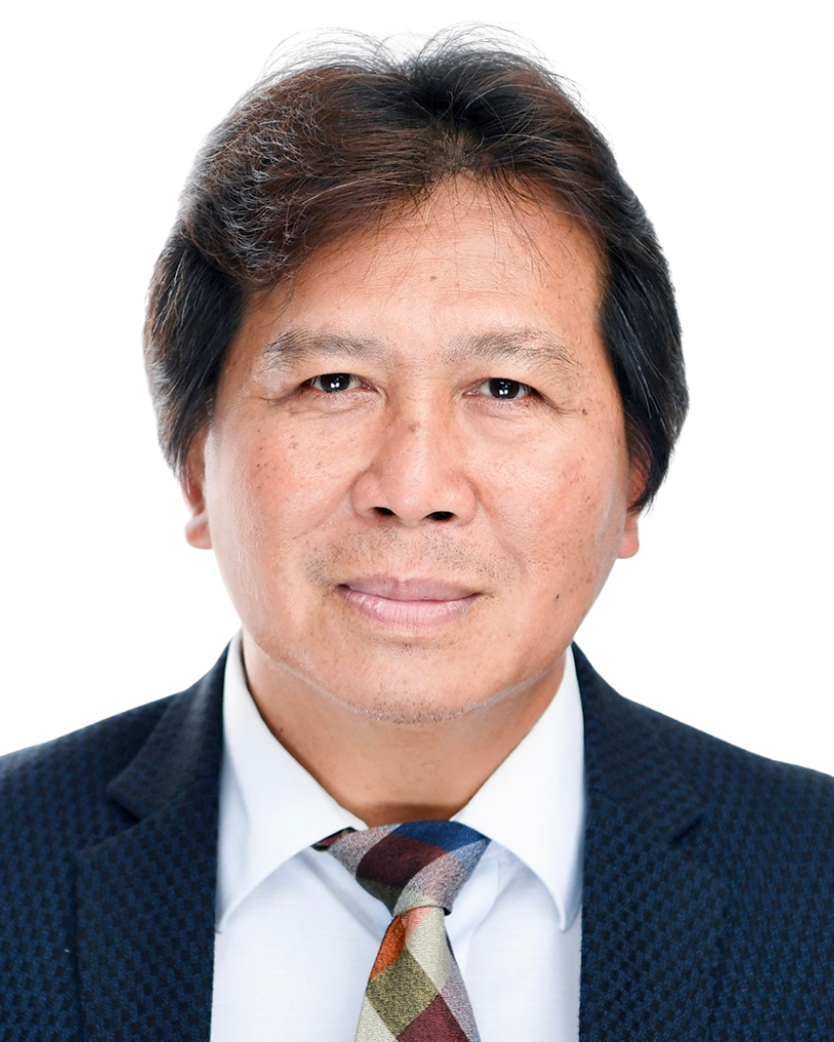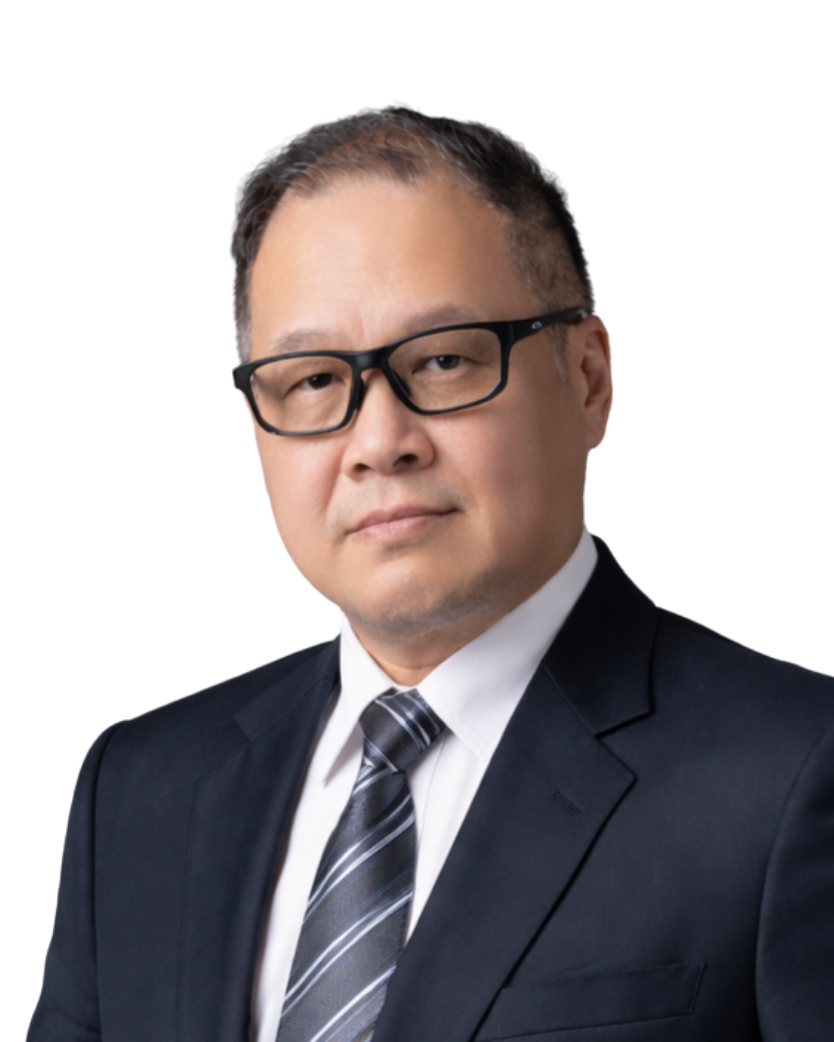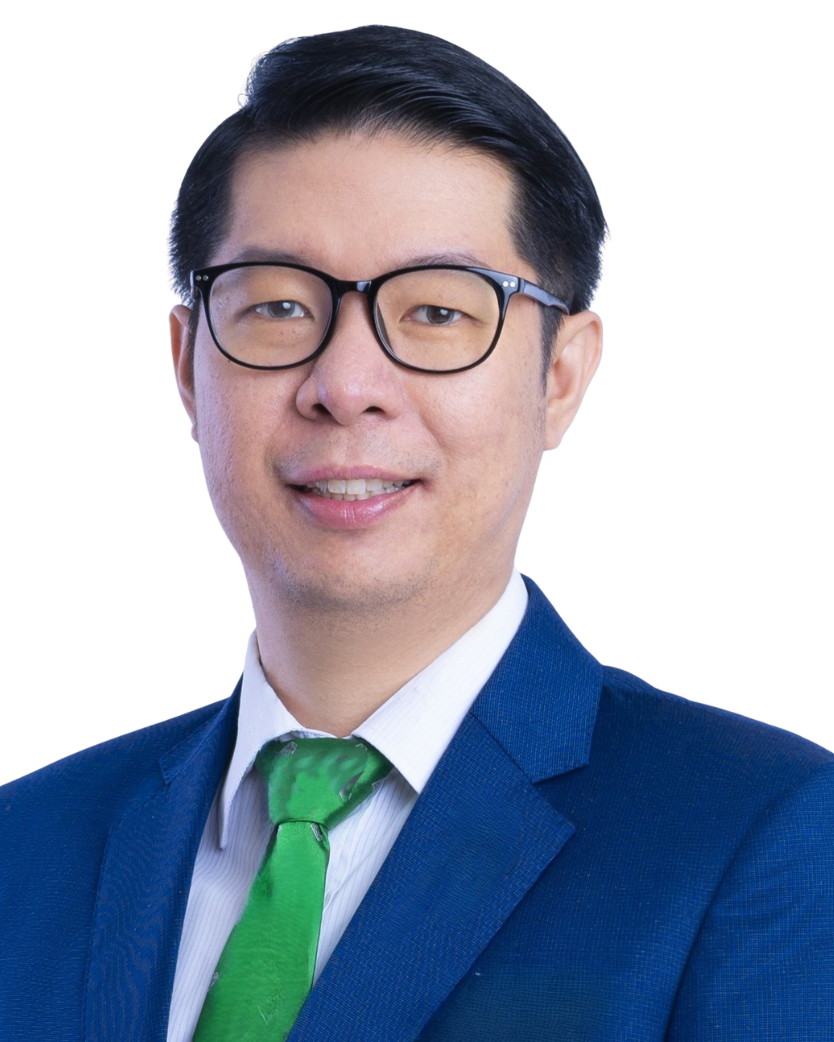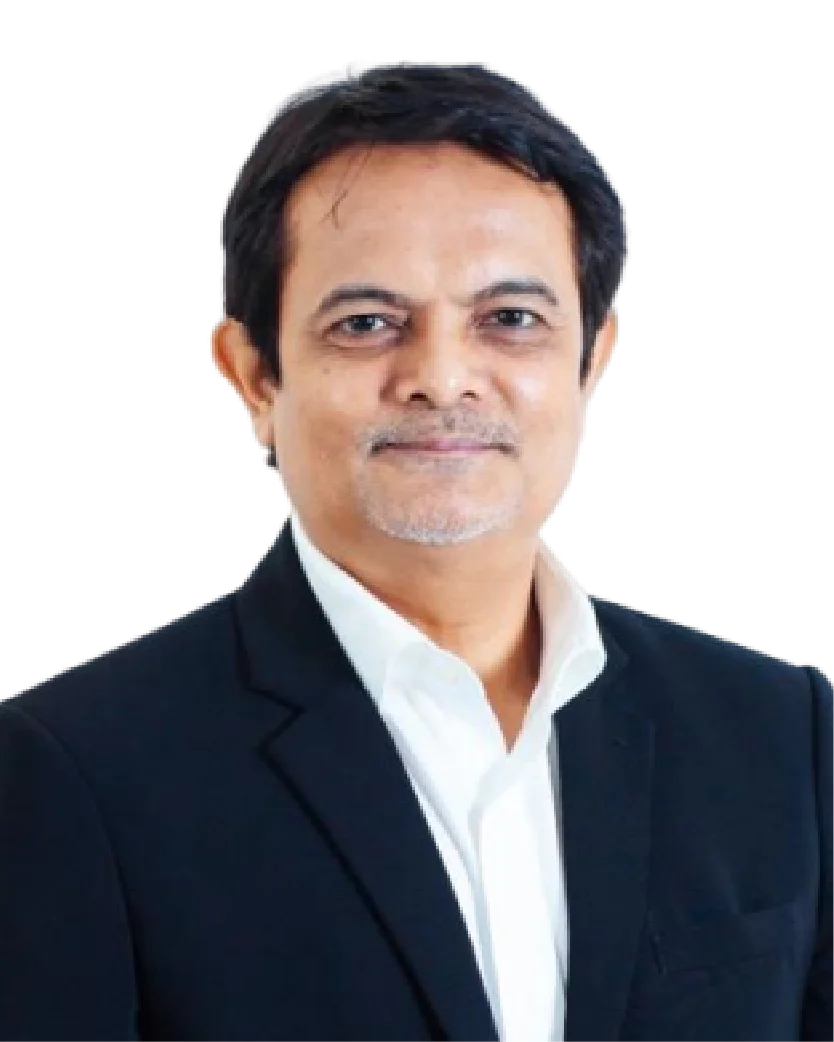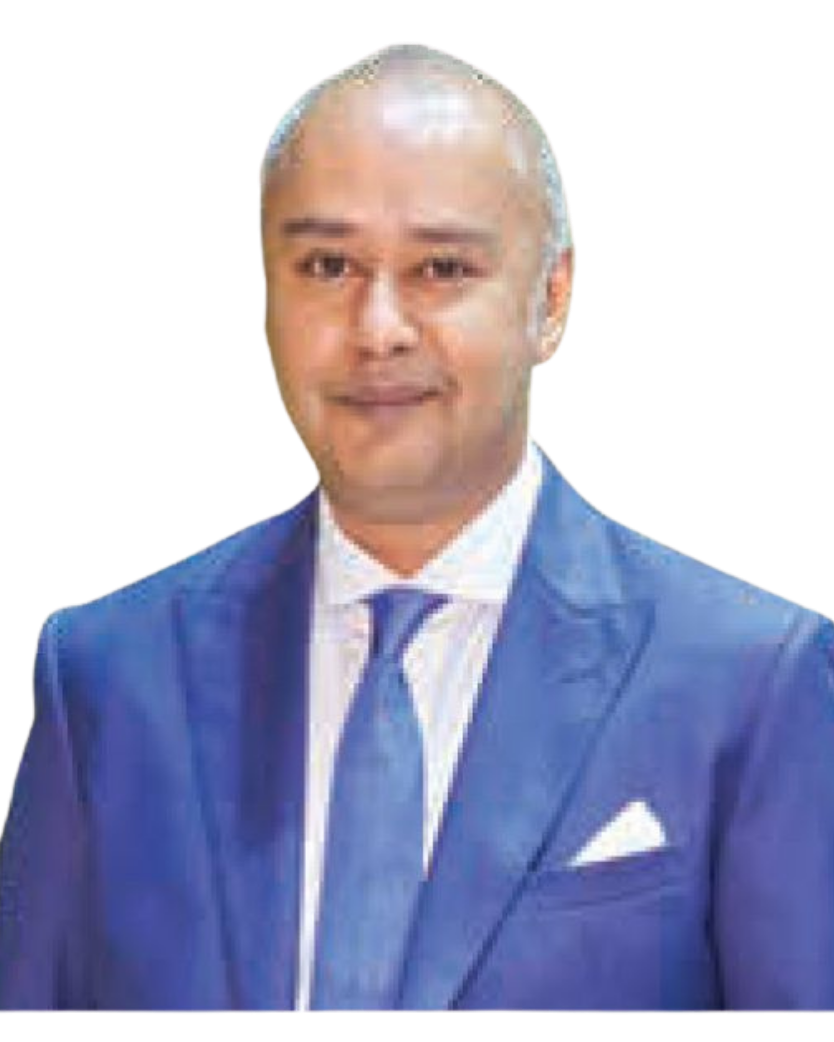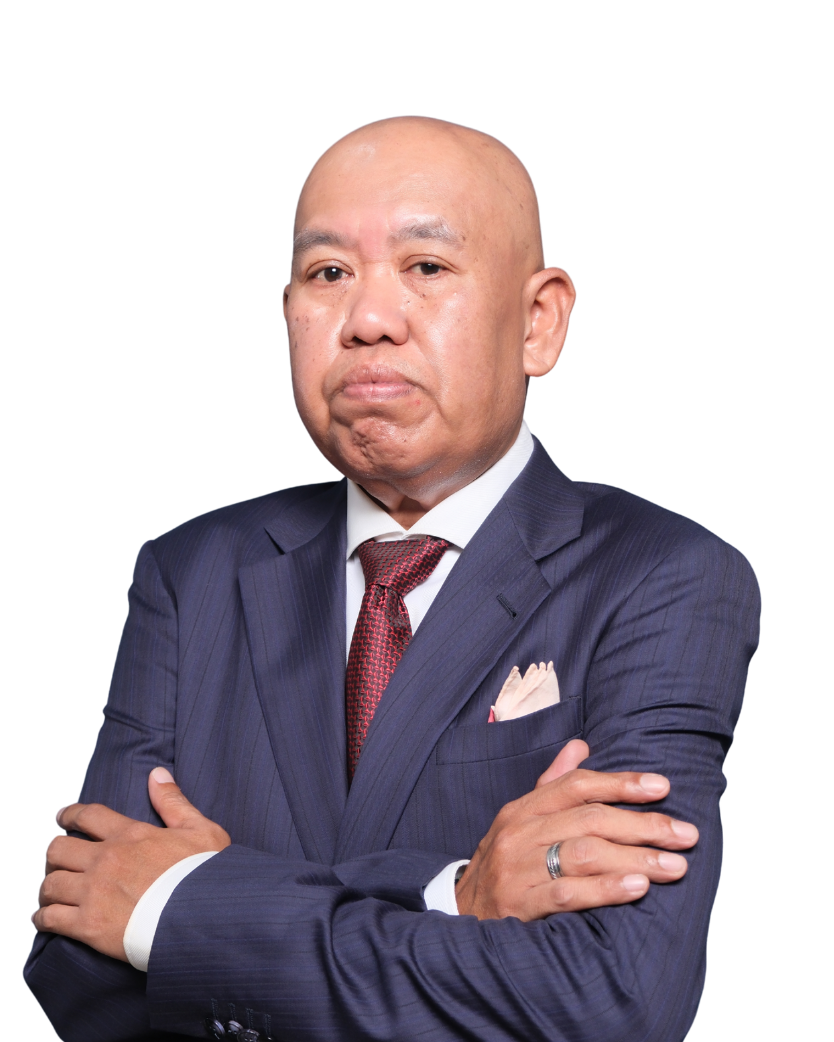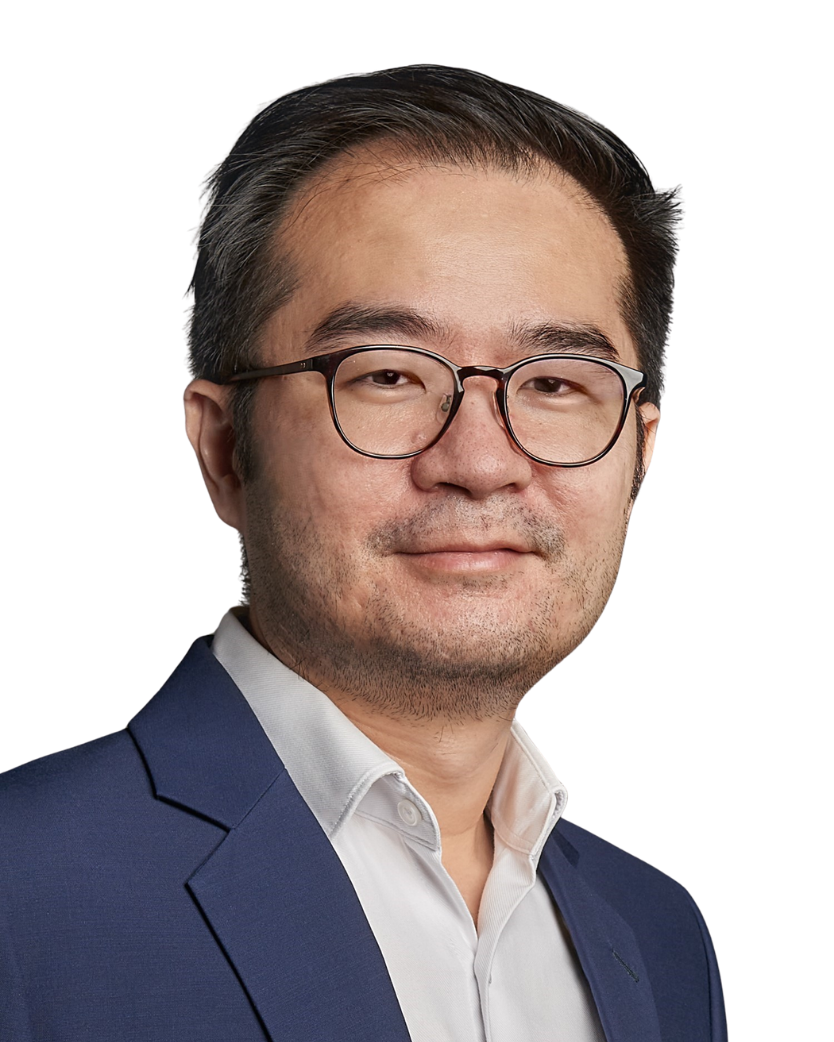

Summit Programme

Semiconductor Manufacturing, E&E Supply Chains
& Green Industrial Competitiveness

Powering ASEAN’s Net Zero Future — Sarawak as ASEAN's Clean Energy Hub

The Sarawak Edition centres on how the state can turn its abundant hydropower, growing solar capacity and cross-border grid connectivity into a competitive platform for low-carbon industry, data centres and regional clean energy investment. With firm renewable power already underpinning Sarawak’s energy advantage, the next challenge is converting capacity into bankable projects, investable industrial growth and long-term clean energy offtake. Discussions will explore how hydro, floating solar, BESS, distributed storage and credible carbon accounting can work together to strengthen Sarawak’s position as a leading clean energy and green industrial hub in ASEAN.

Delegates will gain insight into:

  • How Sarawak is leveraging firm renewable power to attract manufacturers, data centres and high-value investment
  • Structuring bankable 24/7 clean energy offtake and PPA models for industry and digital infrastructure
  • The potential of floating solar across Sarawak’s hydro reservoirs, including Batang Ai, Bakun and Baleh
  • BESS, hybrid inverter and distributed storage solutions for grid flexibility, C&I applications and rural energy systems
  • Carbon accounting, green certification, CBAM readiness and ESG strategies that turn clean power into a measurable competitive advantage
0930-
0940

Welcome: Sarawak as ASEAN's Clean Energy Platform

Sarawak holds 6.2 GW of hydropower, a live cross-border grid, and a state energy transition policy that means business. The MPSEA President opens by framing what makes this market genuinely different — and why the decisions being made here in 2026 will set the trajectory for clean energy investment across the region.
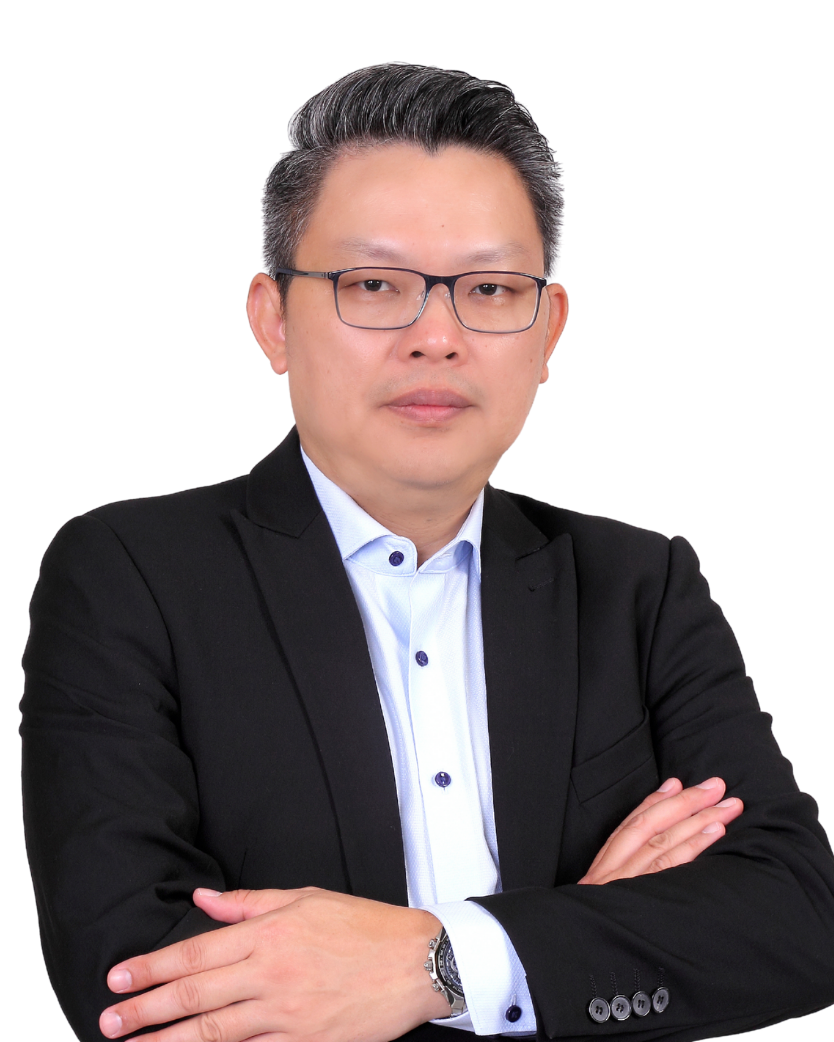
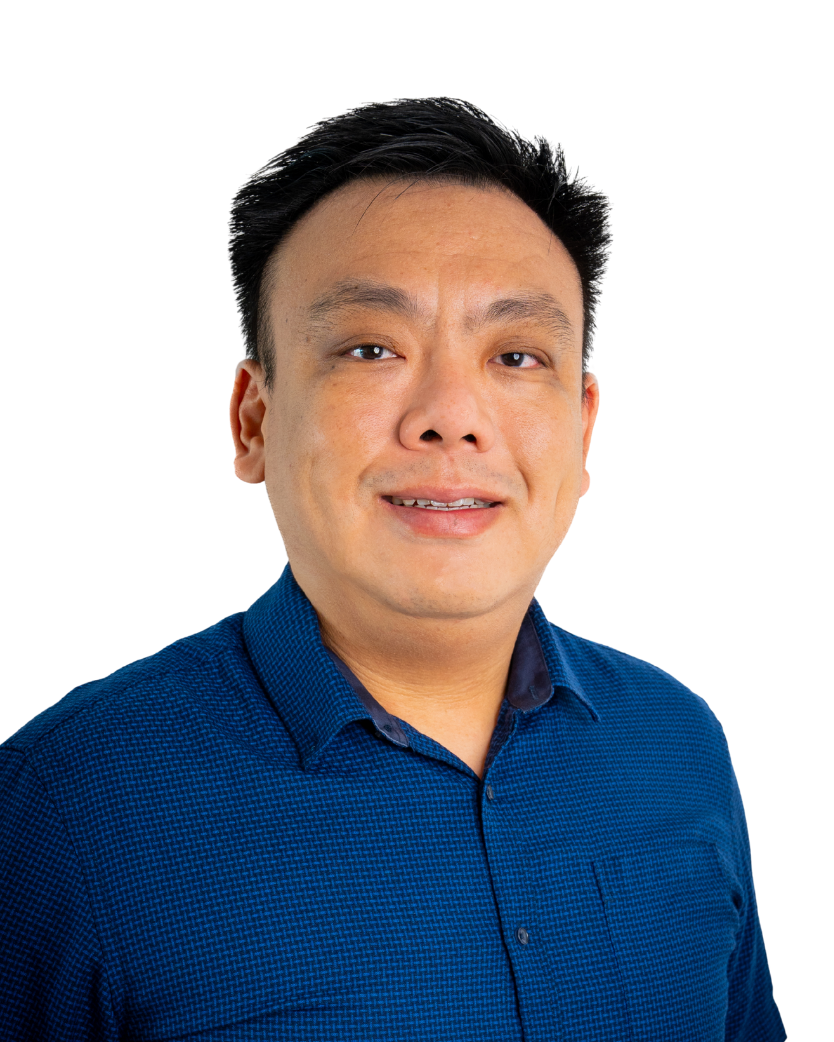
Ir. Ts. Justin Sim
Speaker
Ir. Ts. Justin Sim
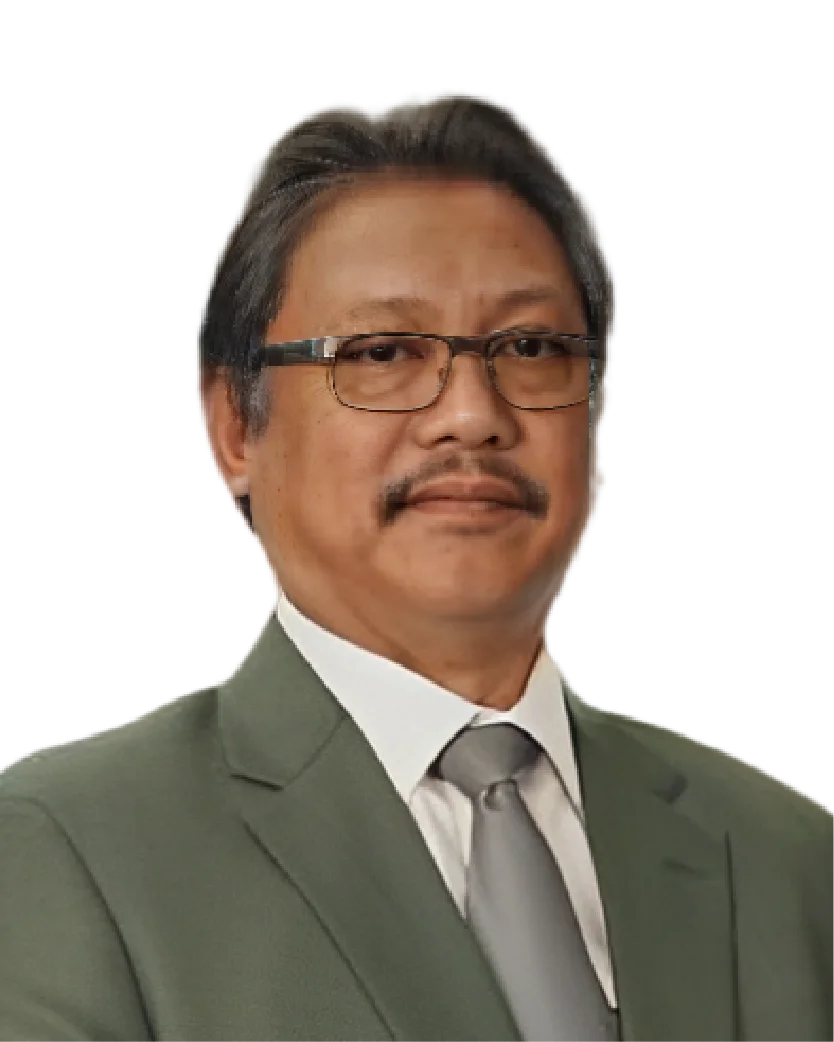
President | Malaysian Photovoltaic & Sustainable Energy Industry Association (MPSEA)
0940-
0945

From Power to Industry: Turning Sarawak's Firm Renewable Energy into Investable Growth

Sarawak’s energy transition has moved from policy to delivery. This opening keynote sets out how the Sarawak Energy Transition Policy (SET-P) turns the state’s firm, round-the-clock renewable power — anchored by hydropower and SCORE — into competitive, low-carbon industrial growth, and what it means for manufacturers, data centres and investors.
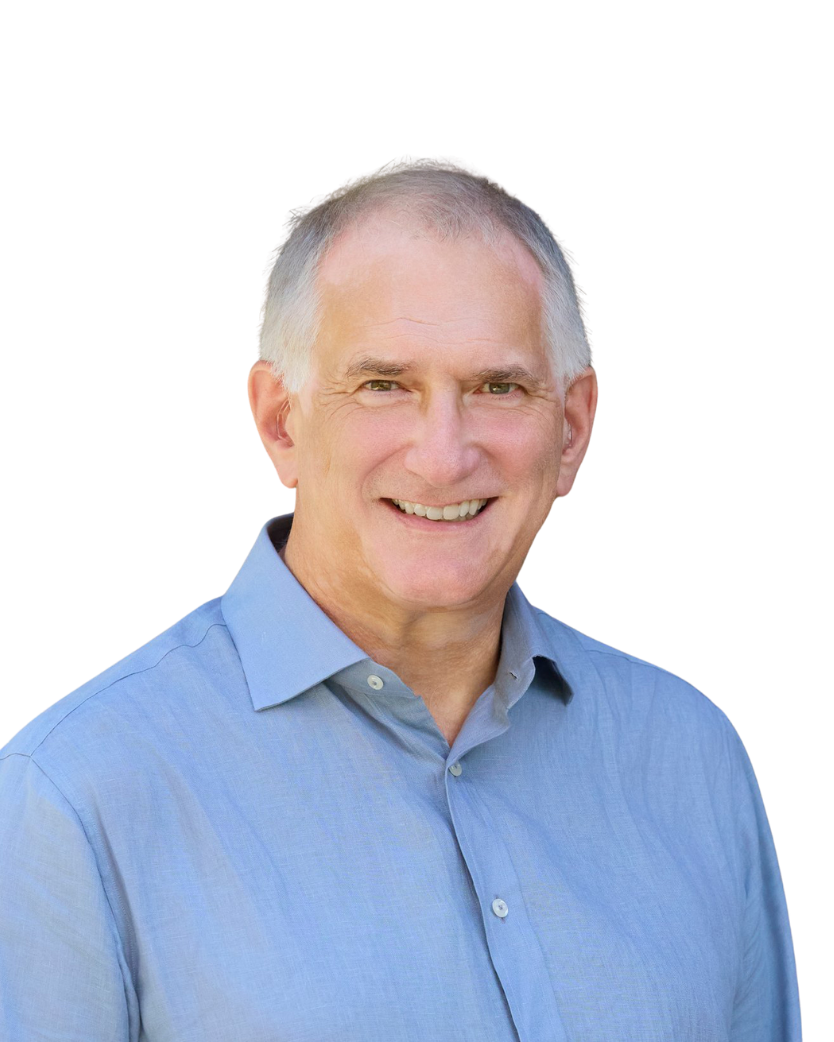
YB Datuk Dr. Haji Hazland bin Abang Haji Hipni
Speaker
YB Datuk Dr. Haji Hazland bin Abang Haji Hipni
Deputy Minister | Ministry of Energy and Environmental Sustainability Sarawak (MEESty)
0945-
0955

Pricing the Firm Clean Electron: What It Will Take for Sarawak to Win the Regional Offtake Race

Firm, clean power is only as valuable as the contracts that let buyers pay for it. Drawing on three decades of energy-economics work across ASEAN and North Asia, this keynote sets out what Sarawak must get right to turn its hydro-solar-storage advantage into signed, bankable deals: how firmed renewable power is priced for data centres and industry, the market and regulatory reforms that unlock cross-border and corporate offtake, and what will decide whether Sarawak captures the next decade of regional clean energy demand.
Mike Thomas
Speaker
Mike Thomas
Managing Director | Lantau Group
0955-
1005

From Solar Surplus to Stored Power: Australia’s Battery Revolution

Australia’s world-leading Cheaper Home Batteries Program has delivered more than 500,000 battery installations in just over 12 months. Drawing on how this rapid deployment is already reshaping Australia’s electricity demand “duck curve”, the keynote sets out practical lessons for Sarawak on policy design, industry quality and workforce capability.
Prof. Scott Hamilton
Speaker
Prof. Scott Hamilton
Deputy Chief Executive Officer of the Renewable Energy Council Asia Pacific (RECAP) | Renewable Energy Council Asia Pacific (RECAP)
1005-
1020

From Energy Advantage to Economic Growth: Powering Sarawak's Next Investment Wave

Sarawak’s abundant, reliable renewable energy has created a powerful competitive advantage. The next chapter is about translating this advantage into high-value investment, new industries and long-term economic growth. This keynote explores Sarawak’s strategy to position clean, firm power as a catalyst for attracting global manufacturers, digital infrastructure and other strategic investments—strengthening the state’s role as a leading green growth and investment destination in Asia.
YB Datuk Dr Malcolm Mussen Lamoh
Speaker
YB Datuk Dr Malcolm Mussen Lamoh
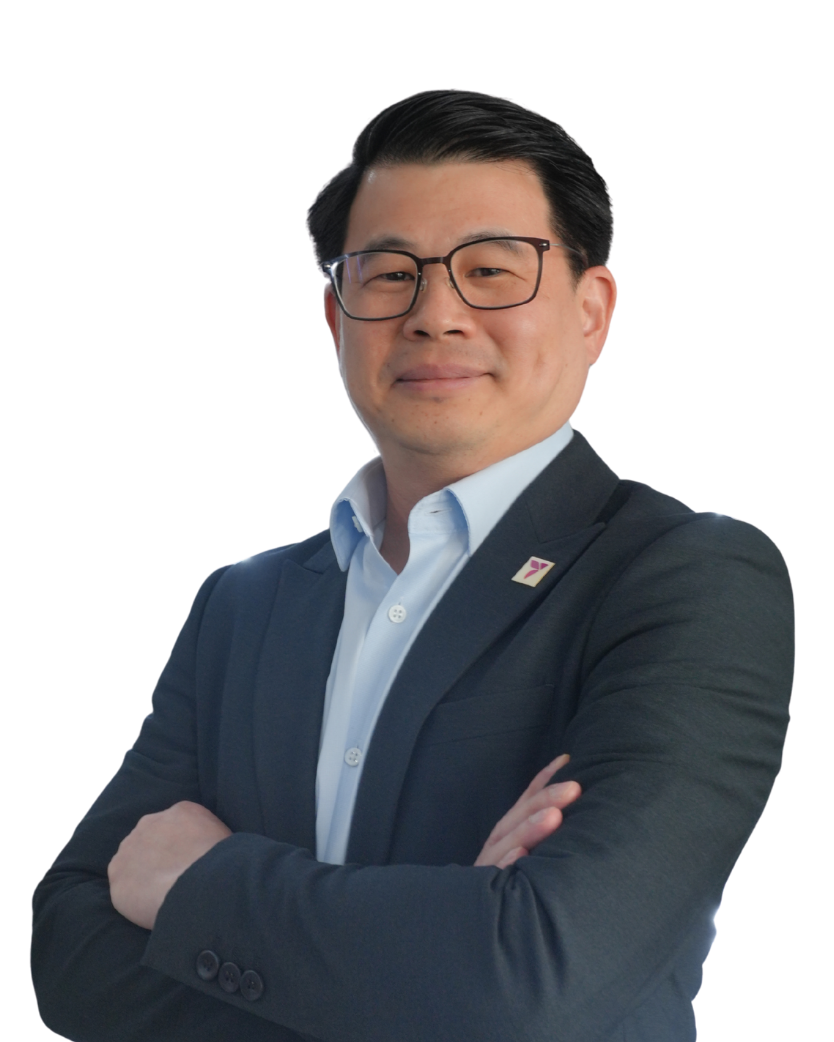
Deputy Minister for International Trade and Investment, Sarawak | Ministry of International Trade, Industry and Investment Sarawak (MINTRED)
1020-
1030
1030-
1100

Networking Coffee Break

1100-
1115

Floating Solar on Sarawak's Hydro Reservoirs: Project Economics at Batang Ai, Bakun and Baleh

Floating PV on Sarawak’s major hydro reservoirs is not a concept — it is the next phase of the state’s solar build-out. Solarvest maps the technical and commercial case for co-location across Sarawak’s reservoir portfolio: the yield uplift, the mooring engineering, the grid connection at existing hydro substations, and the hybrid PPA structures that make these projects financeable today.
Alphonsus Liau Chee Kheong
Speaker
Alphonsus Liau Chee Kheong
General Manager | Solarvest
1115-
1130

Solving Sarawak's Grid Flexibility Challenge: BESS for Rural Electrification, Islanded Grids and Dispatchable Hybrid Power

Sarawak’s grid challenges are specific — and so are the solutions required. FoxESS presents the storage and hybrid inverter architecture designed for the realities of Sarawak’s interior grid: remote communities, islanded distribution networks, and the dispatchability requirements for hydro-solar hybrid systems seeking grid connection. Real deployments. Real numbers.
Jessie Liang
Speaker
Jessie Liang
Country Manager | FoxESS
1130-
1215

Who Buys the Power: Structuring Sarawak's First 24/7 Firmed Clean Energy Deals for Data Centres and Industry

Sarawak can already generate firm, clean power; the more pressing question is who buys it, who delivers it, and how such agreements are structured. With a 500MW data centre park taking shape and its first AI facility due online in 2026, this panel convenes every side of the deal: the buyers requiring round-the-clock clean power, the developers and independent power producers who build, own and firm the hydro-solar-storage capacity behind it, and the utility and agencies holding the grid and contractual frameworks. Together they map what a bankable 24/7 deal actually requires — from generation and firming risk through PPA structure, grid access and guarantees of origin — and how Sarawak turns installed capacity into signed offtake.
Sylvester Wong
Panellists
Sylvester Wong
Executive Director | Global Telecommunications Group
Alphonsus Liau Chee Kheong
Panellists
Alphonsus Liau Chee Kheong
General Manager | Solarvest
Prof. Scott Hamilton
Panellists
Prof. Scott Hamilton
Deputy Chief Executive Officer of the Renewable Energy Council Asia Pacific (RECAP) | Renewable Energy Council Asia Pacific (RECAP)
Ts. Gs. Ir. Dr. Br. TING SIE CHUN
Panellists
Ts. Gs. Ir. Dr. Br. TING SIE CHUN
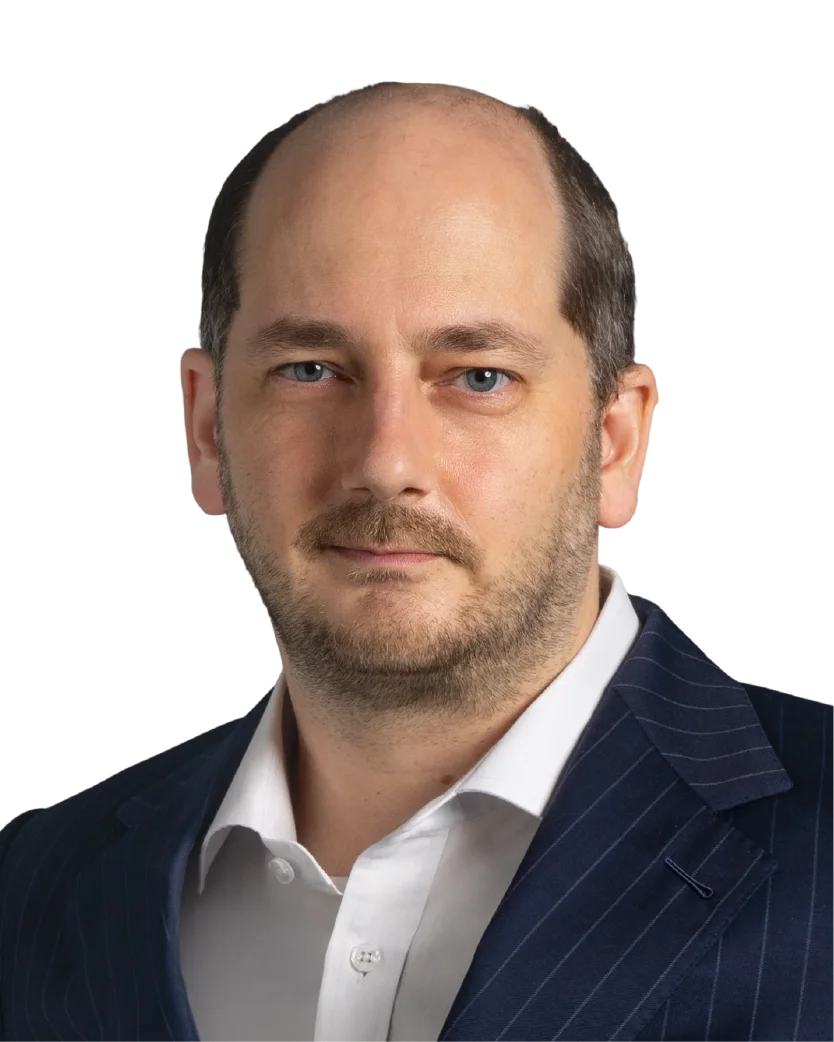
President | Malaysia Sustainable Green Energy Association
Dieter Billen
Moderator
Dieter Billen
Partner & Head of Energy and Sustainability Practice SEA | Roland Berger
1215-
1230

From Rooftop to Grid: Hybrid Inverters and Scalable Storage for Sarawak’s C&I and Utility Market

As Sarawak’s C&I rooftop and large-scale solar pipeline opens up, the inverter is where generation, storage and the grid meet. This keynote walks through a hybrid-inverter and energy-storage portfolio that scales from single commercial rooftops to multi-megawatt installations — supporting battery backup, peak shaving and virtual power plant aggregation. With systems spanning kilowatt to utility class, the session shows how businesses can lower energy costs and ride through outages today, while building the distributed storage layer that strengthens Sarawak’s grid as solar penetration rises.
Emily Li
Speaker
Emily Li
Sales Manager | SolaxPower
1230-
1400

Networking Lunch

1400-
1415

De-Risking Solar PV and BESS: Achieving Fire Safety and Secured Commercial ROI through Atmoce Innovation

For Sarawak’s data centres, industrial operators and C&I facilities, the decision to deploy solar and battery energy storage is not just a technical one — it is a risk management one. As the state builds its position as ASEAN’s clean energy hub, unplanned downtime carries significant financial consequences, and conventional high-voltage storage architectures introduce fire and arc fault risks that give facility managers pause. This session examines how advances in storage safety architecture — including the shift toward extra-low voltage systems — are removing the barriers that have held back solar and BESS adoption in demanding operating environments, and how the right technology choices translate into a more predictable, bankable commercial return. Outcome: a practical framework for Sarawak’s energy users to evaluate solar-plus-storage deployment with confidence in both safety performance and ROI.
James Lee
Speaker
James Lee
Country Manager | ATMOCE
1415-
1430

Maximising Yield per Hectare: High-Efficiency Modules for Floating PV and Land-Constrained Sites

When solar is built on reservoir surfaces or competes with other land uses, every percentage point of module efficiency changes the project economics. This keynote makes the case for high-efficiency N-type back-contact technology in the Sarawak context — more power from the same footprint on floating PV at Bakun, Murum, Batang Ai and Baleh, stronger output on constrained C&I rooftops, and better performance under partial shading and tropical heat. The session connects cell-level innovation to bankable outcomes: higher energy yield, lower levelised cost, and a clearer path to the gigawatts Sarawak’s 2035 target demands.
Kiang Kwi Tiam
Speaker
Kiang Kwi Tiam
Regional Sales Director | Aiko Solar
1430-
1530

Beyond the Megawatts: Carbon Accounting, Green Certification and CBAM-Ready Decarbonisation for Sarawak Industry

Clean power is only half of an industrial decarbonisation strategy — the other half is measuring, certifying and reporting it credibly. This practical workshop walks Sarawak’s manufacturers, palm oil players and developers through the steps that turn renewable procurement into a defensible carbon position: greenhouse-gas accounting and Scope 1–3 baselines, green building and facility certification, carbon credits, and the ESG disclosures that buyers and financiers now expect. With the EU CBAM reshaping the economics of exports, the session focuses on how a clean Sarawak grid becomes a documented competitive advantage rather than an untracked one
Dr. Elaine Why
Speaker
Dr. Elaine Why
Technical Manager | DME Solutions Sdn Bhd
1530-
1540

From Sarawak, For ASEAN: The Decisions That Will Define the Next 90 Days

The grid is live. The policy is set. The capital is looking. The closing keynote names the specific decisions — on LSS-Sarawak, CRESS, the Peninsular grid link and C&I access — that will be made in the next 90 days, and issues a direct call to action to the developers, financiers and offtakers in the room. Sarawak’s window as ASEAN’s clean energy platform is open. This is the moment to move.
Samuel Soon
Speaker
Samuel Soon
Event Chairman of R.A.C.E to ZERO | Malaysian Photovoltaic & Sustainable Energy Industry Association (MPSEA)
1540-
1630

Networking Coffee Break + Exhibition

1000-
1010

Opening Remarks by MPSEA President

The MPSEA President delivers opening remarks, setting the regional industry context and underscoring the strategic importance of the Johor Bahru–Singapore Green Corridor as a catalyst for cross-border clean energy collaboration and industrial decarbonisation.
James Lee
Speaker
James Lee
Deputy President III | Malaysian Photovoltaic & Sustainable Energy Industry Association (MPSEA)
1010-
1025

Johor 2026: Malaysia’s Clean Energy Gateway to ASEAN’s Digital & Industrial Future

The Data Centre Industry Association (DCIA) sets the economic context for Johor Bahru’s emergence as Malaysia’s fastest-growing clean energy and digital infrastructure hub, framing the FDI inflows, industrial load growth, and cross-border competitiveness that define the city’s decarbonisation roadmap.
Tat Inn Cheam
Speaker
Tat Inn Cheam
Managing Director, Equinix Malaysia / Deputy President | Data Centre Industry Association (DCIA)
1025-
1040

Leading Malaysia’s Energy Transition Plan In Driving Green Investment

The SJREC’s 2–3 GW solar corridor and the JS-SEZ’s clean power mandate are reshaping where global capital flows in Southeast Asia, and MIDA Johor is at the centre of it. This keynote unpacks the investment opportunity in practice: the FDI categories the green corridor is unlocking, the fiscal incentives, pioneer status packages, and green investment schemes available to channel that capital into Johor, and what hyperscalers and advanced manufacturers need to see on the ground before they commit.
Mohamad Reduan bin Mohd Zabri
Speaker
Mohamad Reduan bin Mohd Zabri

Director | MIDA Johor
1040-
1050

Utility-Scale Solar + Hybridisation: Building Dispatchable Renewable Capacity for Mega Industrial Zones

Industrial corridors require scale and reliability – not just megawatts on paper. This keynote explores hybrid solar, storage integration, and land-optimised deployment models in Johor. The outcome: translating capacity announcements into firm industrial power delivery.
Ray Yeong
Speaker
Ray Yeong
Regional Head – Business Development (Southern Malaysia & Singapore) | Solarvest Holdings Berhad
1050-
1100

Grid-Ready BESS: Strengthening Reliability for Data Centres & High-Load Manufacturing

PPHJ2030 Strategy 10 designates Smart Grid and Energy Storage as a core enabler — the infrastructure layer without which Johor’s RE ambitions cannot be realised. This keynote addresses how grid-ready BESS is being deployed across Johor’s industrial corridors today, meeting hyperscaler uptime requirements while unlocking higher RE penetration and satisfying institutional lenders.
Jessie Liang
Speaker
Jessie Liang
Country Manager | FoxESS
1100-
1130

Networking Coffee Break

1130-
1140

From Fuel Cost To Fixed Cost With Solar & BESS

The JS-SEZ is raising the bar on clean energy credentials — and diesel has no place in that picture. This keynote gives Johor’s industrial operators the practical answers: real solar + BESS system configurations for manufacturing and logistics loads, real cost benchmarks against diesel displacement, and the stackable storage architecture that makes de-dieselisation achievable without a large upfront capital commitment.
Aaron Lee Wen Cheen
Speaker
Aaron Lee Wen Cheen
Managing Director | Sigenergy (Soluction Network Sdn Bhd)
1140-
1150

Beyond Generation: How C&I Operators in Johor Are Using Hybrid Inverter Systems to Optimise Energy Costs and Future-Proof Their Facilities

Not all solar is equal — and for Johor’s C&I operators, the difference between a well-specified hybrid inverter system and a basic grid-tied installation can be measured in years of payback time. This keynote addresses what industrial operators actually need to know: how hybrid inverter technology optimises self-consumption, manages peak demand charges, and positions a facility to layer in BESS, EV charging, and demand response as Johor’s energy market evolves.
Emily Li
Speaker
Emily Li
Sales Manager | SolaxPower
1150-
1250

Building Johor's Clean Energy Future: Powering the Data Centre and Digital Infrastructure Build-Out Along the JB–Singapore Green Corridor

From the JS-SEZ to the Southern Johor Renewable Energy Corridor, Johor has a clear and credible clean energy roadmap to 2030 — and the investment pipeline to back it. This panel convenes the data centre operators, developers, and financiers at the centre of that build-out to discuss the opportunities in front of them: where projects are progressing, what the clean power landscape looks like for hyperscale and digital infrastructure, and how Johor is turning its policy ambition into a live investment destination for global capital.
YM Raja Taufik
Panellists
YM Raja Taufik
Head of Sector and Enabler Development, Economic Development Division | IRDA
Amirul Ashraf bin Roslan
Panellists
Amirul Ashraf bin Roslan
Resource Manager | DayOne
Dieter Billen
Moderator
Dieter Billen
Partner & Head of Energy & Sustainability Practice for Southeast Asia | Roland Berger
1300-
1400
1400-
1410

From Insight to Action: Orienting the Workshop Afternoon

A brief facilitated introduction to orient delegates into workshop mode — what the next two sessions will cover and what each delegate should expect to leave with.
Mel Shah
Speaker
Mel Shah
Chief Executive Officer | The C0_Lab Pte LTd
1410-
1510

Navigating the Energy Trilemma: A Realistic Roadmap for Businesses Moving to Cleaner Energy

Malaysia’s energy transition is accelerating — but for businesses on the ground, the path is shaped by a constant balancing act between energy security, affordability, and sustainability. This working session pairs the strategic and the practical.  Malakoff opens with the realities of the transition from the supply side: surging demand from data centres and industry, the constraints of going fully renewable today, and why a pragmatic, diversified energy mix — with gas as a transition fuel alongside renewables — defines the near-term landscape businesses should plan around.  Solarvest then translates that landscape into action: the clean energy options available to companies today, from C&I rooftop solar to on-site generation, the policy mechanisms that enable them — NEM, CGPP and beyond — and real project case studies showing how businesses are structuring their decarbonisation pathways in practice.
Masleena Hafiza Binti Mahdi
Speaker
Masleena Hafiza Binti Mahdi
Acting Head, Corporate Planning | Malakoff Corporation Berhad
Ray Yeong
Speaker
Ray Yeong
Regional Head – Business Development (Southern Malaysia & Singapore) | Solarvest Holdings Berhad
1510-
1610

Your Solar Project is Approved. Now What? A Step-by-Step Guide to Getting It Built, Connected, and Paid Fo

Approvals are moving in Johor but projects are stalling between award and energisation. This is the most common and costly problem in the market right now — and MPSEA has seen it across hundreds of members. In this session, MPSEA walks delegates through the five stages every project must clear: from Notice to Proceed to grid application, mTNB connection milestones, metering setup, commissioning sign-off, and first invoice. Real examples from Johor projects are used throughout. Delegates identify where their own project sits in the pipeline and what the next action is. Takeaway: A project delivery checklist covering every milestone from NTP to energisation, ready to use immediately
Victor Chang
Speaker
Victor Chang
CEO & General Counsel | Solarlink Energy Sdn Bhd
Lionel Yap
Speaker
Lionel Yap
Secretary | Malaysian Photovoltaic & Sustainable Energy Industry Association (MPSEA)
1610-
1620

Johor’s Race to Net Zero: Five Non-Negotiables for a High-Growth Industrial State

Short and grounded in what just happened in the room. The five non-negotiables — policy clarity, firm power, storage scale-up, investor alignment, and cross-border integration — are each tied to a moment from the afternoon workshops. Closes with a commitments wall where delegates post one action they will take within 90 days.
Ganesha Pillai Prathapa Senan
Speaker
Ganesha Pillai Prathapa Senan
Operation Executive Assistant | Malaysian Photovoltaic and Sustainable Energy Industry Association (MPSEA)
1620-
1700

Networking Coffee Break

Clean Energy for Agriculture, Natural Resources & Sabah’s Just Energy Transition

The Sabah Edition focuses on how clean energy can support the state’s agriculture, plantation and natural resource sectors while advancing a just and inclusive energy transition. With strong solar potential, abundant biomass resources and significant economic activity across agriculture, forestry and resource-based industries, Sabah has an opportunity to use clean energy not only to reduce emissions, but also to improve productivity, strengthen energy security and create new economic opportunities. The next challenge is translating these resources into practical, investable solutions that work for businesses, rural communities and the wider economy. Discussions will explore how solar, biomass, BESS, distributed energy and energy efficiency can support Sabah’s key industries while ensuring that the benefits of the energy transition are shared more broadly across the state.

Delegates will gain insight into:

  • How clean energy can strengthen the competitiveness and sustainability of Sabah’s agriculture, plantation and natural resource sectors
  • Unlocking solar, biomass and waste-to-energy opportunities across plantations, processing facilities and resource-based industries
  • The role of BESS, distributed energy and hybrid systems in improving energy reliability for businesses and rural communities
  • Financing and commercial models that can turn Sabah’s renewable resources into scalable and bankable clean energy projects
  • Building a just energy transition that supports local communities, creates new economic opportunities and balances decarbonisation with Sabah’s development priorities
0930-
0940

Opening Remarks by MPSEA President

The MPSEA President frames Sabah’s energy paradox — 37% of Malaysia’s solar potential and over 1,500MW of hydropower, yet communities still without reliable power — and sets the course for an inclusive, high-ambition transition.
Ir. Ts. Justin Sim
Speaker
Ir. Ts. Justin Sim
President | Malaysian Photovoltaic & Sustainable Energy Industry Association (MPSEA)
0940-
1000

Flattening the electricity demand ‘Duck Curve’: Lessons from Australia

Australia’s world-leading Cheaper Home Batteries Program is transforming rooftop solar into reliable, flexible energy – reducing daytime solar exports and evening peak demand. With more than 500,000 batteries and 14 GWh of new energy storage installed in just over 12 months, the impact on the ‘Duck Curve’ is already visible. This keynote sets out how Sabah can be a leader the battery revolution.
Prof. Scott Hamilton
Speaker
Prof. Scott Hamilton
Deputy Chief Executive Officer of the Renewable Energy Council Asia Pacific (RECAP) | Renewable Energy Council Asia Pacific (RECAP)
1000-
1020

SE-RAMP 2040 in Action: What Sabah Has Delivered — and What’s Being Built Next

The Guest of Honour Keynote will present SE-RAMP 2040 as Sabah’s pathway towards energy security, economic growth, and shared prosperity. The Chief Minister will highlight Sabah’s clean energy potential, commitment to a just and inclusive transition, and vision to attract investment while positioning the state as a regional energy leader through ASEAN cooperation and emerging carbon market opportunities.
Datuk Ir. Abdul Nasser bin Abdul Wahid
Speaker
Datuk Ir. Abdul Nasser bin Abdul Wahid
Chief Executive Officer | Energy Commission of Sabah
1020-
1030

Official Opening Ceremony

1030-
1100

Networking Coffee Break

1100-
1120

From Intermittent to Investable: How Sabah’s 100MW BESS Is Unlocking the Next Wave of Large-Scale Solar Development

Sabah’s 100MW/400MWh BESS at Lahad Datu is what makes utility-scale solar bankable — raising reserve margins, cutting curtailment risk, and unlocking ECoS capacity for the next LSS round. Malaysia’s most active solar EPCC developer unpacks what it means for the pipeline: SESB’s connection queue, the coming LSS Sabah auction, and how solar-plus-storage is being structured to meet East Coast firm-capacity demand.
Alphonsus Liau Chee Kheong
Speaker
Alphonsus Liau Chee Kheong
General Manager | Solarvest
1120-
1140

Solar + Storage for Sabah’s Plantations and C&I: How Hybrid Inverter Technology Is Making Distributed Clean Energy Bankable

Tariff rationalisation, long connection queues, and a need for firm power make solar alone insufficient for Sabah’s C&I and plantation sites. Fox ESS, a Bloomberg NEF Tier 1 storage provider with top-3 market share in seven countries, shows how hybrid inverter and battery systems now beat diesel and grid costs for mills, cold chain, and processing plants — plus how FoxCloud enables remote monitoring across Sabah’s terrain.
Jessie Liang
Speaker
Jessie Liang
Country Manager | FoxESS
1140-
1230

Scaling Solar & Storage in Sabah: Building Bankable Clean Energy Projects

Sabah holds 37% of Malaysia’s solar potential and total solar capacity is set to exceed 350MW by 2027, with LSS-SABAH’s 199MW award and Southeast Asia’s largest BESS at Lahad Datu already proving the market. This panel brings together developers, EPCs and technology providers to unpack what it actually takes to deliver projects here – site and land access, grid connection under SESB, storage sizing, EPC capacity, logistics and cost of capital. The outcome: a practical delivery playbook for solar, storage and hybrid projects across Sabah’s industrial, commercial and utility segments.
Rahman Khan
Panellists
Rahman Khan
Deputy President | Sabah Timber Industries Association
Hadanan Hussin
Panellists
Hadanan Hussin
Head of Renewable Energy | Sabah Economic Advisory Council (SEAC)
Lionel Yap
Panellists
Lionel Yap
Secretary | Malaysian Photovoltaic & Sustainable Energy Industry Association (MPSEA)
Alphonsus Liau Chee Kheong
Panellists
Alphonsus Liau Chee Kheong
General Manager | Solarvest
Vincent Ting Din Ee
Moderator
Vincent Ting Din Ee
Principal | Roland Berger
1230-
1400

Networking Lunch + Exhibition

1400-
1420

From Diesel to Done: A Practical Guide to Solar + BESS for Sabah’s Plantation and Industrial Operators

De-dieselisation is now a cost imperative for Sabah’s mills and estates. This keynote gives the practical roadmap: how to size a solar + BESS system, real cost benchmarks against diesel and grid tariffs, and how stackable storage removes the all-or-nothing capital barrier — with real deployment numbers.
Yohanz Khor
Speaker
Yohanz Khor
Solution Manager | Sigenergy
1420-
1520

Sabah’s Climate Change and Carbon Governance Enactment 2025: What It Means for Your Business

Passed by the Sabah State Assembly on 8 July 2025, this is the state’s biggest energy and environment law in a generation — establishing carbon rights as state property, the Sabah Climate Action Council (SCAC), a Climate Fund, and mandatory community benefit-sharing. This workshop demystifies who can register projects, which methodologies qualify, and how credits are verified — turning Sabah’s 4.68 million hectares of forest and agricultural land into a carbon revenue stream.
Scholastika Juis
Speaker
Scholastika Juis
ESD Consultant | DME Solutions Sdn Bhd
1520-
1530

Sabah’s Race to Net Zero: Five Non-Negotiables for a Just and Inclusive Energy Transition

Five non-negotiables — grid reliability, renewable scale-up, carbon monetisation, inclusive electrification, and local industry participation — tied back to moments from the day. Closes with a commitments wall where delegates post one action for the next 90 days.
Samuel Soon
Speaker
Samuel Soon
Event Chairman of R.A.C.E to ZERO | Malaysian Photovoltaic & Sustainable Energy Industry Association (MPSEA)
1530-
1630

Networking Coffee Break + Exhibition

Powering ASEAN’s Net Zero Future — Sarawak as ASEAN's Clean Energy Hub

The Sarawak Edition centres on how the state can turn its abundant hydropower, growing solar capacity and cross-border grid connectivity into a competitive platform for low-carbon industry, data centres and regional clean energy investment. With firm renewable power already underpinning Sarawak’s energy advantage, the next challenge is converting capacity into bankable projects, investable industrial growth and long-term clean energy offtake. Discussions will explore how hydro, floating solar, BESS, distributed storage and credible carbon accounting can work together to strengthen Sarawak’s position as a leading clean energy and green industrial hub in ASEAN.

Delegates will gain insight into:

  • How Sarawak is leveraging firm renewable power to attract manufacturers, data centres and high-value investment
  • Structuring bankable 24/7 clean energy offtake and PPA models for industry and digital infrastructure
  • The potential of floating solar across Sarawak’s hydro reservoirs, including Batang Ai, Bakun and Baleh
  • BESS, hybrid inverter and distributed storage solutions for grid flexibility, C&I applications and rural energy systems
  • Carbon accounting, green certification, CBAM readiness and ESG strategies that turn clean power into a measurable competitive advantage
0930-
0940

Welcome: Sarawak as ASEAN's Clean Energy Platform

Sarawak holds 6.2 GW of hydropower, a live cross-border grid, and a state energy transition policy that means business. The MPSEA President opens by framing what makes this market genuinely different — and why the decisions being made here in 2026 will set the trajectory for clean energy investment across the region.
Ir. Ts. Justin Sim
Speaker
Ir. Ts. Justin Sim
President | Malaysian Photovoltaic & Sustainable Energy Industry Association (MPSEA)
0940-
0945

From Power to Industry: Turning Sarawak's Firm Renewable Energy into Investable Growth

Sarawak’s energy transition has moved from policy to delivery. This opening keynote sets out how the Sarawak Energy Transition Policy (SET-P) turns the state’s firm, round-the-clock renewable power — anchored by hydropower and SCORE — into competitive, low-carbon industrial growth, and what it means for manufacturers, data centres and investors.
YB Datuk Dr. Haji Hazland bin Abang Haji Hipni
Speaker
YB Datuk Dr. Haji Hazland bin Abang Haji Hipni
Deputy Minister | Ministry of Energy and Environmental Sustainability Sarawak (MEESty)
0945-
0955

Pricing the Firm Clean Electron: What It Will Take for Sarawak to Win the Regional Offtake Race

Firm, clean power is only as valuable as the contracts that let buyers pay for it. Drawing on three decades of energy-economics work across ASEAN and North Asia, this keynote sets out what Sarawak must get right to turn its hydro-solar-storage advantage into signed, bankable deals: how firmed renewable power is priced for data centres and industry, the market and regulatory reforms that unlock cross-border and corporate offtake, and what will decide whether Sarawak captures the next decade of regional clean energy demand.
Mike Thomas
Speaker
Mike Thomas
Managing Director | Lantau Group
0955-
1005

From Solar Surplus to Stored Power: Australia’s Battery Revolution

Australia’s world-leading Cheaper Home Batteries Program has delivered more than 500,000 battery installations in just over 12 months. Drawing on how this rapid deployment is already reshaping Australia’s electricity demand “duck curve”, the keynote sets out practical lessons for Sarawak on policy design, industry quality and workforce capability.
Prof. Scott Hamilton
Speaker
Prof. Scott Hamilton
Deputy Chief Executive Officer of the Renewable Energy Council Asia Pacific (RECAP) | Renewable Energy Council Asia Pacific (RECAP)
1005-
1020

From Energy Advantage to Economic Growth: Powering Sarawak's Next Investment Wave

Sarawak’s abundant, reliable renewable energy has created a powerful competitive advantage. The next chapter is about translating this advantage into high-value investment, new industries and long-term economic growth. This keynote explores Sarawak’s strategy to position clean, firm power as a catalyst for attracting global manufacturers, digital infrastructure and other strategic investments—strengthening the state’s role as a leading green growth and investment destination in Asia.
YB Datuk Dr Malcolm Mussen Lamoh
Speaker
YB Datuk Dr Malcolm Mussen Lamoh
Deputy Minister for International Trade and Investment, Sarawak | Ministry of International Trade, Industry and Investment Sarawak (MINTRED)
1020-
1030
1030-
1100

Networking Coffee Break

1100-
1115

Floating Solar on Sarawak's Hydro Reservoirs: Project Economics at Batang Ai, Bakun and Baleh

Floating PV on Sarawak’s major hydro reservoirs is not a concept — it is the next phase of the state’s solar build-out. Solarvest maps the technical and commercial case for co-location across Sarawak’s reservoir portfolio: the yield uplift, the mooring engineering, the grid connection at existing hydro substations, and the hybrid PPA structures that make these projects financeable today.
Alphonsus Liau Chee Kheong
Speaker
Alphonsus Liau Chee Kheong
General Manager | Solarvest
1115-
1130

Solving Sarawak's Grid Flexibility Challenge: BESS for Rural Electrification, Islanded Grids and Dispatchable Hybrid Power

Sarawak’s grid challenges are specific — and so are the solutions required. FoxESS presents the storage and hybrid inverter architecture designed for the realities of Sarawak’s interior grid: remote communities, islanded distribution networks, and the dispatchability requirements for hydro-solar hybrid systems seeking grid connection. Real deployments. Real numbers.
Jessie Liang
Speaker
Jessie Liang
Country Manager | FoxESS
1130-
1215

Who Buys the Power: Structuring Sarawak's First 24/7 Firmed Clean Energy Deals for Data Centres and Industry

Sarawak can already generate firm, clean power; the more pressing question is who buys it, who delivers it, and how such agreements are structured. With a 500MW data centre park taking shape and its first AI facility due online in 2026, this panel convenes every side of the deal: the buyers requiring round-the-clock clean power, the developers and independent power producers who build, own and firm the hydro-solar-storage capacity behind it, and the utility and agencies holding the grid and contractual frameworks. Together they map what a bankable 24/7 deal actually requires — from generation and firming risk through PPA structure, grid access and guarantees of origin — and how Sarawak turns installed capacity into signed offtake.
Sylvester Wong
Panellists
Sylvester Wong
Executive Director | Global Telecommunications Group
Alphonsus Liau Chee Kheong
Panellists
Alphonsus Liau Chee Kheong
General Manager | Solarvest
Prof. Scott Hamilton
Panellists
Prof. Scott Hamilton
Deputy Chief Executive Officer of the Renewable Energy Council Asia Pacific (RECAP) | Renewable Energy Council Asia Pacific (RECAP)
Ts. Gs. Ir. Dr. Br. TING SIE CHUN
Panellists
Ts. Gs. Ir. Dr. Br. TING SIE CHUN
President | Malaysia Sustainable Green Energy Association
Dieter Billen
Moderator
Dieter Billen
Partner & Head of Energy and Sustainability Practice SEA | Roland Berger
1215-
1230

From Rooftop to Grid: Hybrid Inverters and Scalable Storage for Sarawak’s C&I and Utility Market

As Sarawak’s C&I rooftop and large-scale solar pipeline opens up, the inverter is where generation, storage and the grid meet. This keynote walks through a hybrid-inverter and energy-storage portfolio that scales from single commercial rooftops to multi-megawatt installations — supporting battery backup, peak shaving and virtual power plant aggregation. With systems spanning kilowatt to utility class, the session shows how businesses can lower energy costs and ride through outages today, while building the distributed storage layer that strengthens Sarawak’s grid as solar penetration rises.
Emily Li
Speaker
Emily Li
Sales Manager | SolaxPower
1230-
1400

Networking Lunch

1400-
1415

De-Risking Solar PV and BESS: Achieving Fire Safety and Secured Commercial ROI through Atmoce Innovation

For Sarawak’s data centres, industrial operators and C&I facilities, the decision to deploy solar and battery energy storage is not just a technical one — it is a risk management one. As the state builds its position as ASEAN’s clean energy hub, unplanned downtime carries significant financial consequences, and conventional high-voltage storage architectures introduce fire and arc fault risks that give facility managers pause. This session examines how advances in storage safety architecture — including the shift toward extra-low voltage systems — are removing the barriers that have held back solar and BESS adoption in demanding operating environments, and how the right technology choices translate into a more predictable, bankable commercial return. Outcome: a practical framework for Sarawak’s energy users to evaluate solar-plus-storage deployment with confidence in both safety performance and ROI.
James Lee
Speaker
James Lee
Country Manager | ATMOCE
1415-
1430

Maximising Yield per Hectare: High-Efficiency Modules for Floating PV and Land-Constrained Sites

When solar is built on reservoir surfaces or competes with other land uses, every percentage point of module efficiency changes the project economics. This keynote makes the case for high-efficiency N-type back-contact technology in the Sarawak context — more power from the same footprint on floating PV at Bakun, Murum, Batang Ai and Baleh, stronger output on constrained C&I rooftops, and better performance under partial shading and tropical heat. The session connects cell-level innovation to bankable outcomes: higher energy yield, lower levelised cost, and a clearer path to the gigawatts Sarawak’s 2035 target demands.
Kiang Kwi Tiam
Speaker
Kiang Kwi Tiam
Regional Sales Director | Aiko Solar
1430-
1530

Beyond the Megawatts: Carbon Accounting, Green Certification and CBAM-Ready Decarbonisation for Sarawak Industry

Clean power is only half of an industrial decarbonisation strategy — the other half is measuring, certifying and reporting it credibly. This practical workshop walks Sarawak’s manufacturers, palm oil players and developers through the steps that turn renewable procurement into a defensible carbon position: greenhouse-gas accounting and Scope 1–3 baselines, green building and facility certification, carbon credits, and the ESG disclosures that buyers and financiers now expect. With the EU CBAM reshaping the economics of exports, the session focuses on how a clean Sarawak grid becomes a documented competitive advantage rather than an untracked one
Dr. Elaine Why
Speaker
Dr. Elaine Why
Technical Manager | DME Solutions Sdn Bhd
1530-
1540

From Sarawak, For ASEAN: The Decisions That Will Define the Next 90 Days

The grid is live. The policy is set. The capital is looking. The closing keynote names the specific decisions — on LSS-Sarawak, CRESS, the Peninsular grid link and C&I access — that will be made in the next 90 days, and issues a direct call to action to the developers, financiers and offtakers in the room. Sarawak’s window as ASEAN’s clean energy platform is open. This is the moment to move.
Samuel Soon
Speaker
Samuel Soon
Event Chairman of R.A.C.E to ZERO | Malaysian Photovoltaic & Sustainable Energy Industry Association (MPSEA)
1540-
1630

Networking Coffee Break + Exhibition

Clean Energy for Agriculture, Natural Resources & Sabah’s Just Energy Transition

The Sabah Edition focuses on how clean energy can support the state’s agriculture, plantation and natural resource sectors while advancing a just and inclusive energy transition. With strong solar potential, abundant biomass resources and significant economic activity across agriculture, forestry and resource-based industries, Sabah has an opportunity to use clean energy not only to reduce emissions, but also to improve productivity, strengthen energy security and create new economic opportunities. The next challenge is translating these resources into practical, investable solutions that work for businesses, rural communities and the wider economy. Discussions will explore how solar, biomass, BESS, distributed energy and energy efficiency can support Sabah’s key industries while ensuring that the benefits of the energy transition are shared more broadly across the state.

Delegates will gain insight into:

  • How clean energy can strengthen the competitiveness and sustainability of Sabah’s agriculture, plantation and natural resource sectors
  • Unlocking solar, biomass and waste-to-energy opportunities across plantations, processing facilities and resource-based industries
  • The role of BESS, distributed energy and hybrid systems in improving energy reliability for businesses and rural communities
  • Financing and commercial models that can turn Sabah’s renewable resources into scalable and bankable clean energy projects
  • Building a just energy transition that supports local communities, creates new economic opportunities and balances decarbonisation with Sabah’s development priorities
0930-
0940

Opening Remarks by MPSEA President

The MPSEA President frames Sabah’s energy paradox — 37% of Malaysia’s solar potential and over 1,500MW of hydropower, yet communities still without reliable power — and sets the course for an inclusive, high-ambition transition.
Ir. Ts. Justin Sim
Speaker
Ir. Ts. Justin Sim
President | Malaysian Photovoltaic & Sustainable Energy Industry Association (MPSEA)
0940-
1000

Flattening the electricity demand ‘Duck Curve’: Lessons from Australia

Australia’s world-leading Cheaper Home Batteries Program is transforming rooftop solar into reliable, flexible energy – reducing daytime solar exports and evening peak demand. With more than 500,000 batteries and 14 GWh of new energy storage installed in just over 12 months, the impact on the ‘Duck Curve’ is already visible. This keynote sets out how Sabah can be a leader the battery revolution.
Prof. Scott Hamilton
Speaker
Prof. Scott Hamilton
Deputy Chief Executive Officer of the Renewable Energy Council Asia Pacific (RECAP) | Renewable Energy Council Asia Pacific (RECAP)
1000-
1020

SE-RAMP 2040 in Action: What Sabah Has Delivered — and What’s Being Built Next

The Guest of Honour Keynote will present SE-RAMP 2040 as Sabah’s pathway towards energy security, economic growth, and shared prosperity. The Chief Minister will highlight Sabah’s clean energy potential, commitment to a just and inclusive transition, and vision to attract investment while positioning the state as a regional energy leader through ASEAN cooperation and emerging carbon market opportunities.
Datuk Ir. Abdul Nasser bin Abdul Wahid
Speaker
Datuk Ir. Abdul Nasser bin Abdul Wahid
Chief Executive Officer | Energy Commission of Sabah
1020-
1030

Official Opening Ceremony

1030-
1100

Networking Coffee Break

1100-
1120

From Intermittent to Investable: How Sabah’s 100MW BESS Is Unlocking the Next Wave of Large-Scale Solar Development

Sabah’s 100MW/400MWh BESS at Lahad Datu is what makes utility-scale solar bankable — raising reserve margins, cutting curtailment risk, and unlocking ECoS capacity for the next LSS round. Malaysia’s most active solar EPCC developer unpacks what it means for the pipeline: SESB’s connection queue, the coming LSS Sabah auction, and how solar-plus-storage is being structured to meet East Coast firm-capacity demand.
Alphonsus Liau Chee Kheong
Speaker
Alphonsus Liau Chee Kheong
General Manager | Solarvest
1120-
1140

Solar + Storage for Sabah’s Plantations and C&I: How Hybrid Inverter Technology Is Making Distributed Clean Energy Bankable

Tariff rationalisation, long connection queues, and a need for firm power make solar alone insufficient for Sabah’s C&I and plantation sites. Fox ESS, a Bloomberg NEF Tier 1 storage provider with top-3 market share in seven countries, shows how hybrid inverter and battery systems now beat diesel and grid costs for mills, cold chain, and processing plants — plus how FoxCloud enables remote monitoring across Sabah’s terrain.
Jessie Liang
Speaker
Jessie Liang
Country Manager | FoxESS
1140-
1230

Scaling Solar & Storage in Sabah: Building Bankable Clean Energy Projects

Sabah holds 37% of Malaysia’s solar potential and total solar capacity is set to exceed 350MW by 2027, with LSS-SABAH’s 199MW award and Southeast Asia’s largest BESS at Lahad Datu already proving the market. This panel brings together developers, EPCs and technology providers to unpack what it actually takes to deliver projects here – site and land access, grid connection under SESB, storage sizing, EPC capacity, logistics and cost of capital. The outcome: a practical delivery playbook for solar, storage and hybrid projects across Sabah’s industrial, commercial and utility segments.
Rahman Khan
Panellists
Rahman Khan
Deputy President | Sabah Timber Industries Association
Hadanan Hussin
Panellists
Hadanan Hussin
Head of Renewable Energy | Sabah Economic Advisory Council (SEAC)
Lionel Yap
Panellists
Lionel Yap
Secretary | Malaysian Photovoltaic & Sustainable Energy Industry Association (MPSEA)
Alphonsus Liau Chee Kheong
Panellists
Alphonsus Liau Chee Kheong
General Manager | Solarvest
Vincent Ting Din Ee
Moderator
Vincent Ting Din Ee
Principal | Roland Berger
1230-
1400

Networking Lunch + Exhibition

1400-
1420

From Diesel to Done: A Practical Guide to Solar + BESS for Sabah’s Plantation and Industrial Operators

De-dieselisation is now a cost imperative for Sabah’s mills and estates. This keynote gives the practical roadmap: how to size a solar + BESS system, real cost benchmarks against diesel and grid tariffs, and how stackable storage removes the all-or-nothing capital barrier — with real deployment numbers.
Yohanz Khor
Speaker
Yohanz Khor
Solution Manager | Sigenergy
1420-
1520

Sabah’s Climate Change and Carbon Governance Enactment 2025: What It Means for Your Business

Passed by the Sabah State Assembly on 8 July 2025, this is the state’s biggest energy and environment law in a generation — establishing carbon rights as state property, the Sabah Climate Action Council (SCAC), a Climate Fund, and mandatory community benefit-sharing. This workshop demystifies who can register projects, which methodologies qualify, and how credits are verified — turning Sabah’s 4.68 million hectares of forest and agricultural land into a carbon revenue stream.
Scholastika Juis
Speaker
Scholastika Juis
ESD Consultant | DME Solutions Sdn Bhd
1520-
1530

Sabah’s Race to Net Zero: Five Non-Negotiables for a Just and Inclusive Energy Transition

Five non-negotiables — grid reliability, renewable scale-up, carbon monetisation, inclusive electrification, and local industry participation — tied back to moments from the day. Closes with a commitments wall where delegates post one action for the next 90 days.
Samuel Soon
Speaker
Samuel Soon
Event Chairman of R.A.C.E to ZERO | Malaysian Photovoltaic & Sustainable Energy Industry Association (MPSEA)
1530-
1630

Networking Coffee Break + Exhibition

R.A.C.E to Zero

DELEGATE PASSES
Join 3,000+ clean energy leaders
Two days of summit access, networking lunches, and direct engagement with Malaysia’s and ASEAN’s most influential clean energy decision-makers.
HRD CORP
(For HRD Claimable Course – SBL Khas) 
Training Programme No: 10001649248
Course Title : R A C E TO ZERO SUMMIT
Scroll to Top
Speaker Type

Speaker Name

Speaker Role
Company name

Lorem ipsum dolor sit amet, consectetur adipiscing elit. Ut elit tellus, luctus nec ullamcorper mattis, pulvinar dapibus leo.

Day 1Speaker
ASEAN Power Grid : Interconnecting ASEAN: Policy, Infrastructure & Investment for Regional Power Trade
0930–1030