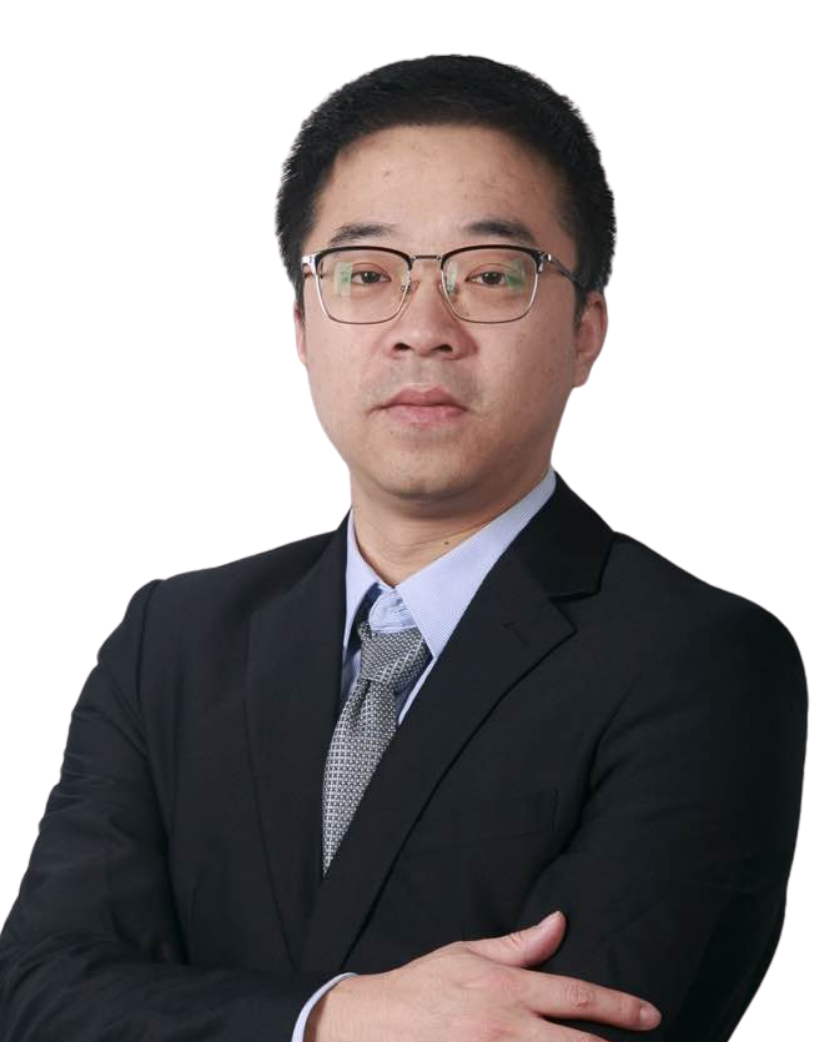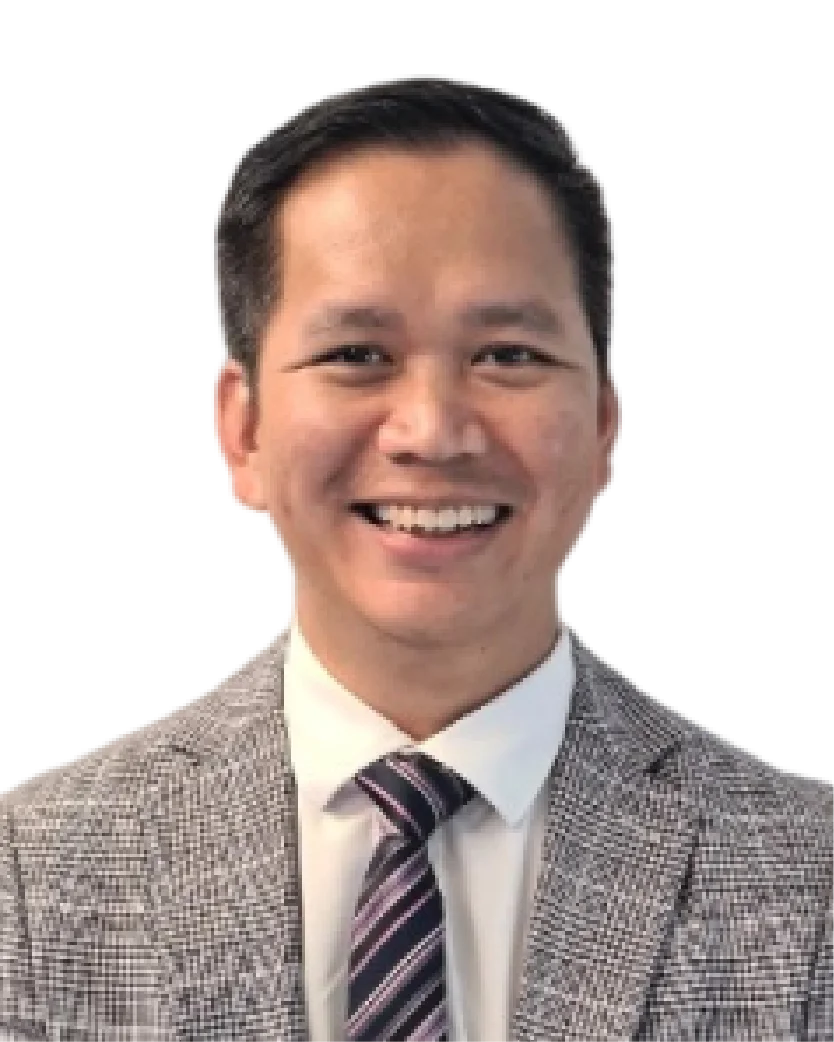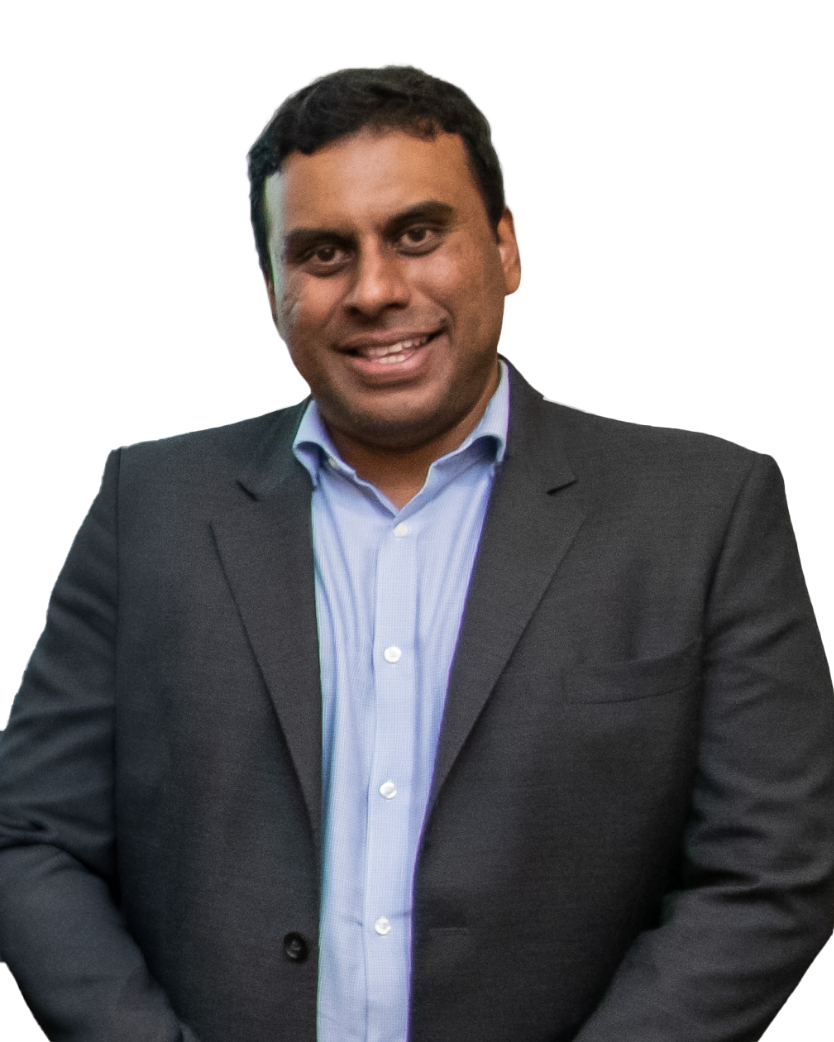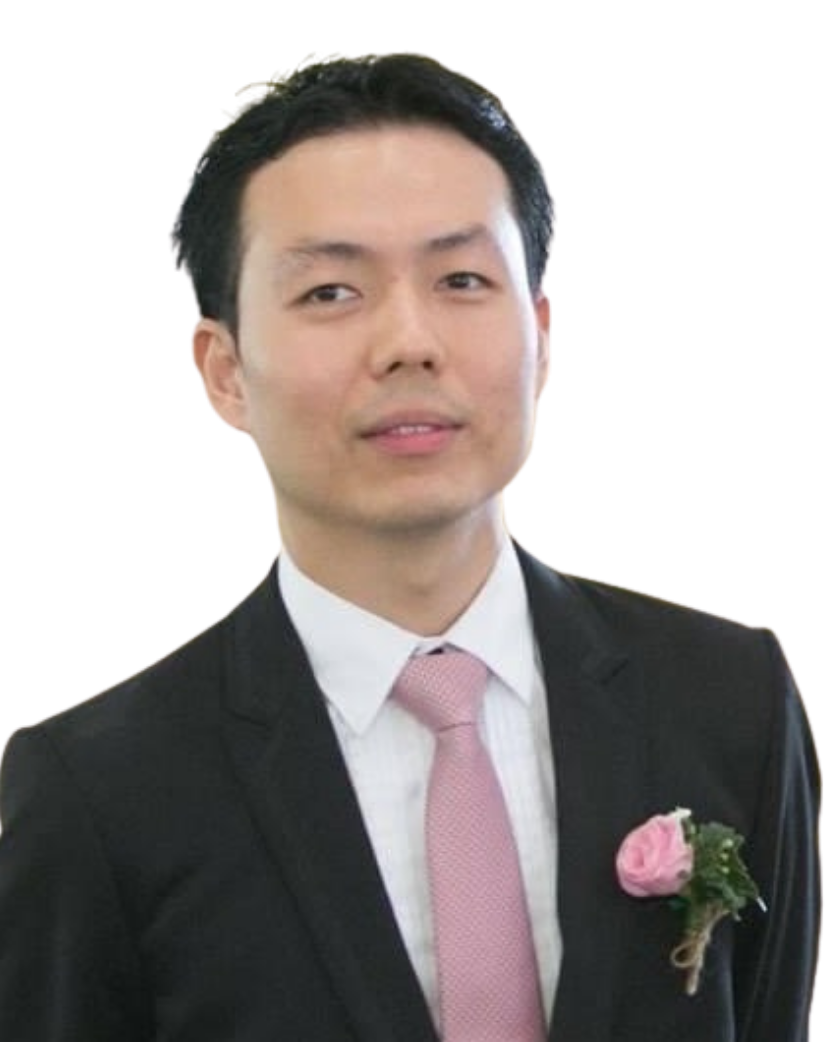
Summit Programme

Semiconductor Manufacturing, E&E Supply Chains
& Green Industrial Competitiveness

Powering ASEAN’s Net Zero Future — Sarawak as ASEAN's Clean Energy Hub

The Sarawak Edition centres on how the state can turn its abundant hydropower, growing solar capacity and cross-border grid connectivity into a competitive platform for low-carbon industry, data centres and regional clean energy investment. With firm renewable power already underpinning Sarawak’s energy advantage, the next challenge is converting capacity into bankable projects, investable industrial growth and long-term clean energy offtake. Discussions will explore how hydro, floating solar, BESS, distributed storage and credible carbon accounting can work together to strengthen Sarawak’s position as a leading clean energy and green industrial hub in ASEAN.

Delegates will gain insight into:

  • How Sarawak is leveraging firm renewable power to attract manufacturers, data centres and high-value investment
  • Structuring bankable 24/7 clean energy offtake and PPA models for industry and digital infrastructure
  • The potential of floating solar across Sarawak’s hydro reservoirs, including Batang Ai, Bakun and Baleh
  • BESS, hybrid inverter and distributed storage solutions for grid flexibility, C&I applications and rural energy systems
  • Carbon accounting, green certification, CBAM readiness and ESG strategies that turn clean power into a measurable competitive advantage
0930-
0940

Penang 2026: Powering the Silicon Valley of the East with Clean Energy

The MPSEA President frames Penang’s position as Southeast Asia’s premier semiconductor and E&E manufacturing hub, addressing the clean energy imperative facing an industry that generated RM477 billion in exports — and what it takes to decarbonise without losing global supply chain competitiveness.
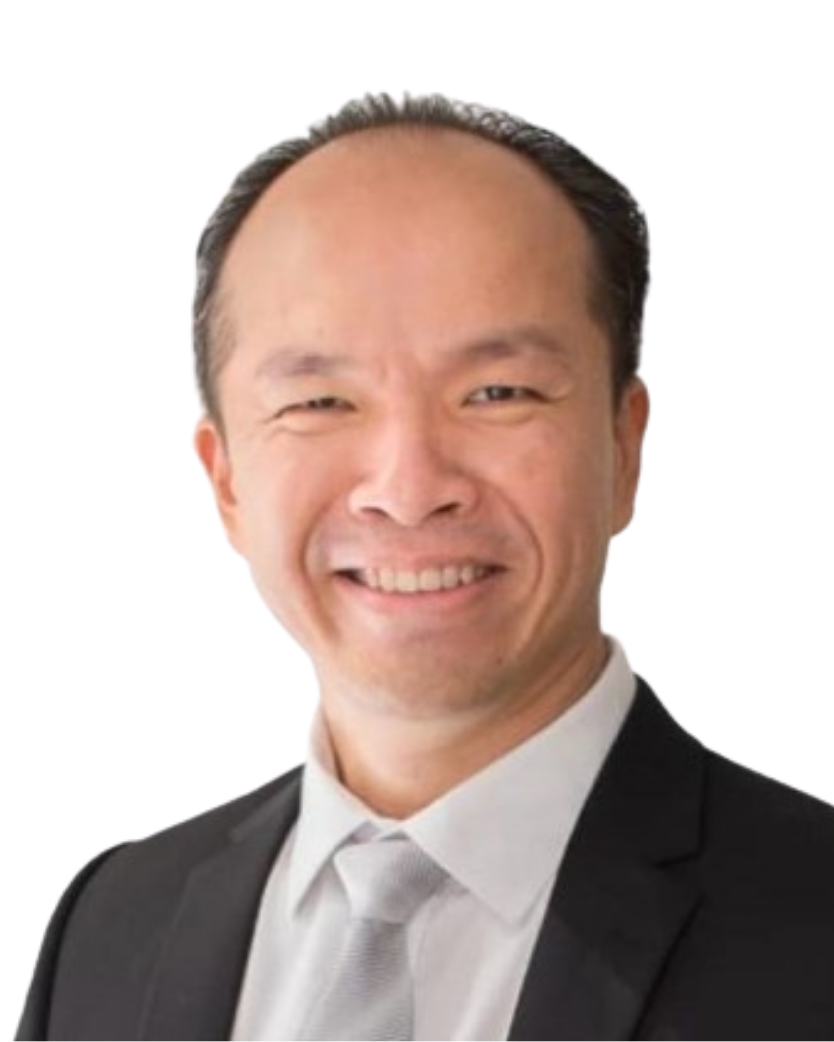
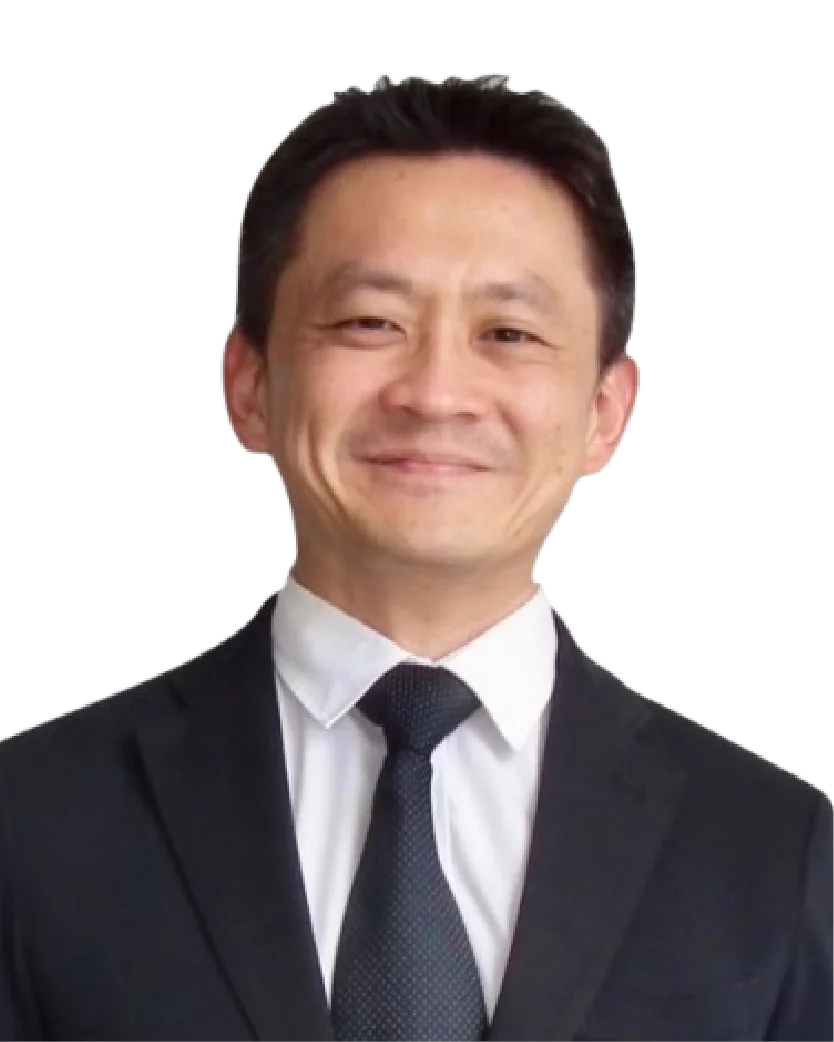
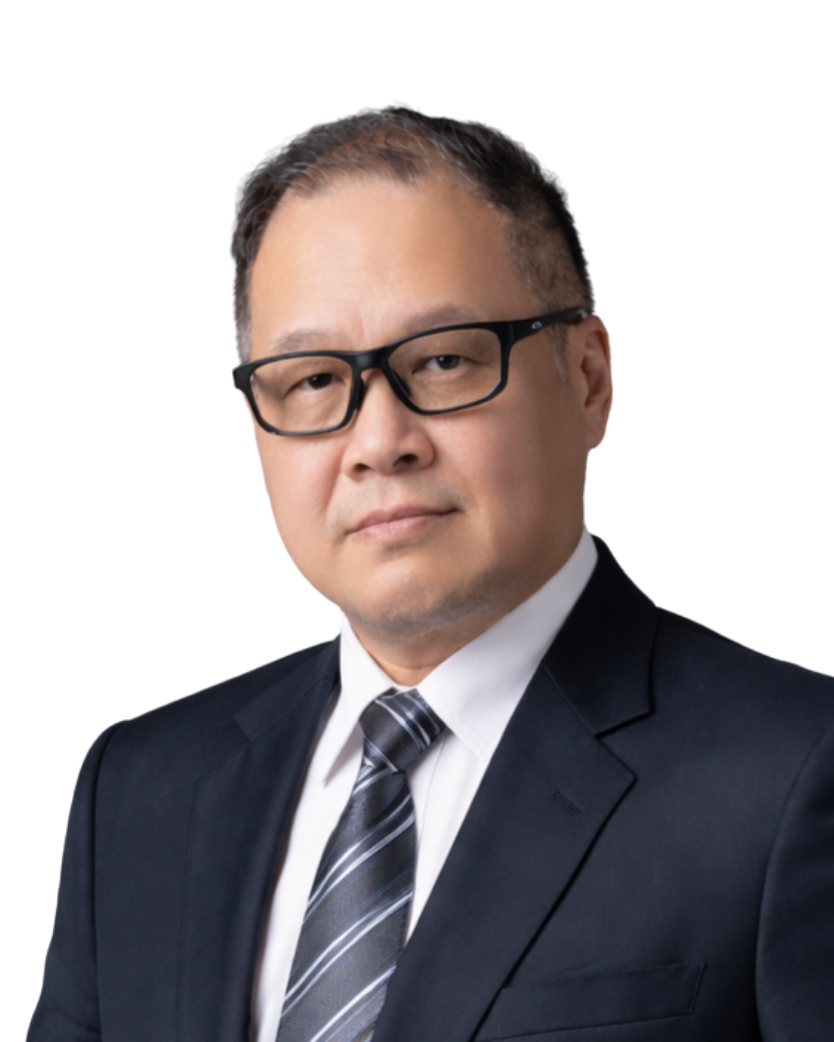
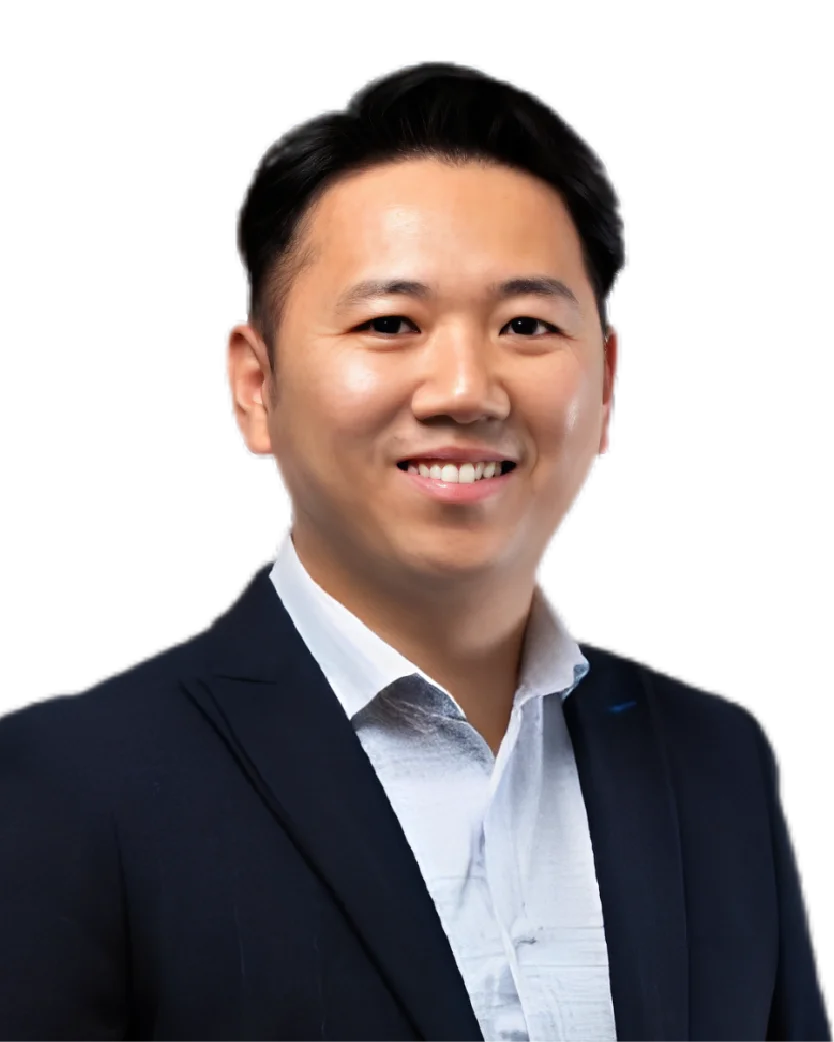
Ir. Ts. Justin Sim
Speaker
Ir. Ts. Justin Sim
President | Malaysian Photovoltaic & Sustainable Energy Industry Association (MPSEA)
0940-
1000

Building the Backbone: Infrastructure, Connectivity, and Penang's Green Industrial Corridor

Decarbonising Penang’s manufacturing base requires more than clean energy — it requires the infrastructure to support it. This address sets out how the state’s infrastructure and connectivity agenda is being aligned with Penang2030 and the Penang Energy Framework, from the Penang South Islands Green Tech Park to integrated logistics planning across the industrial corridor.
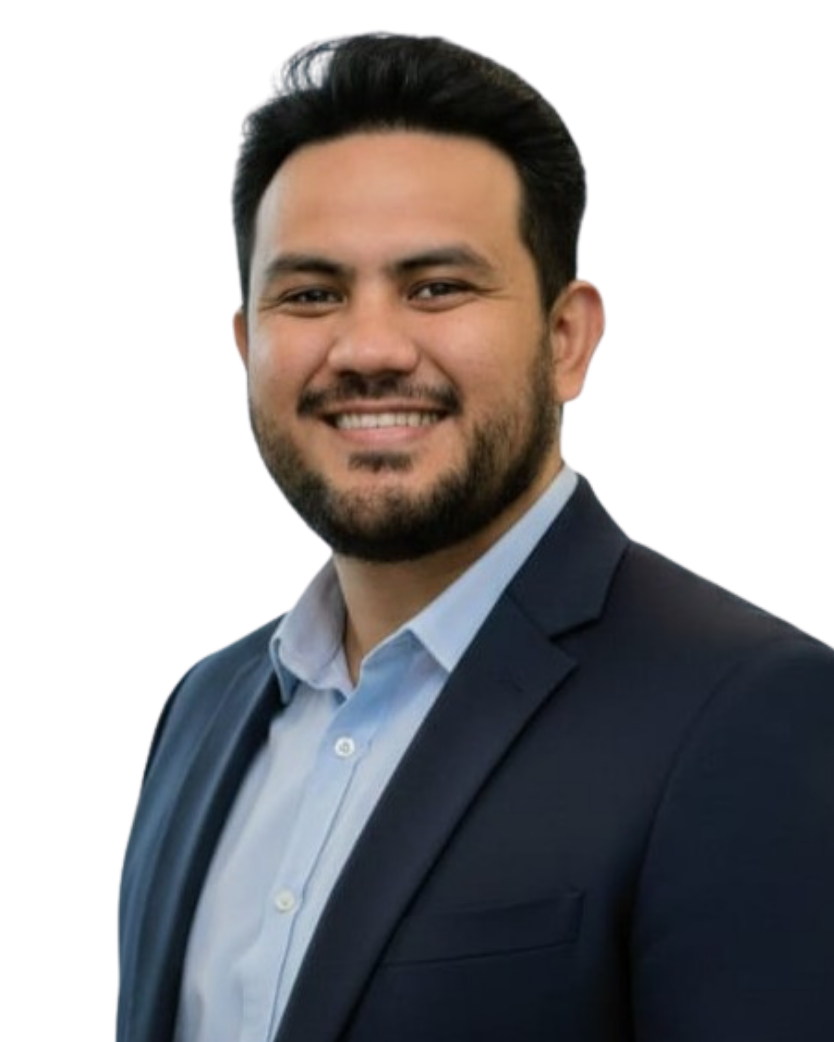
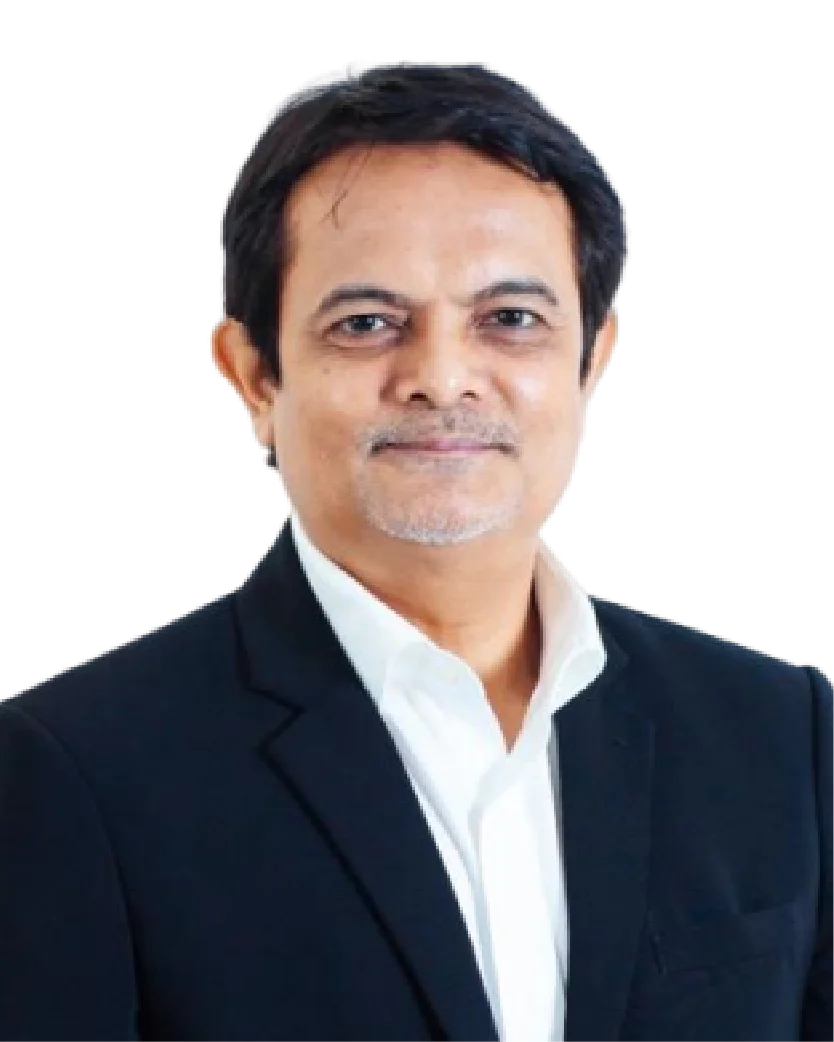
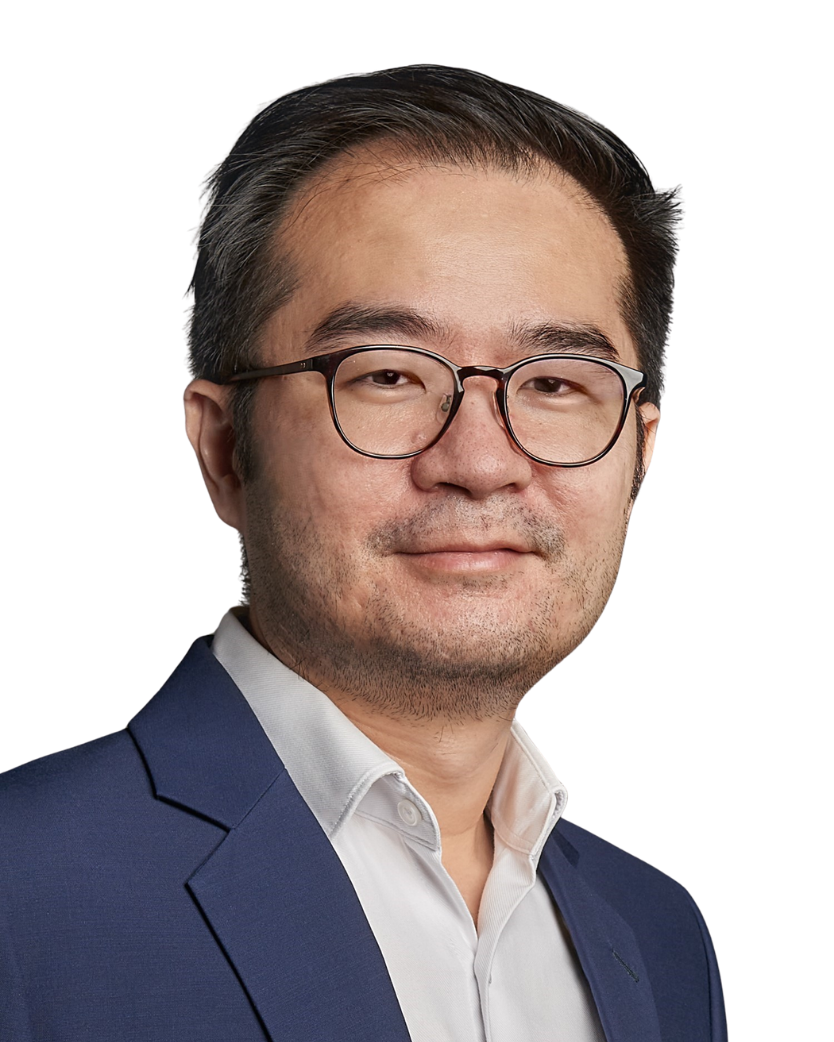
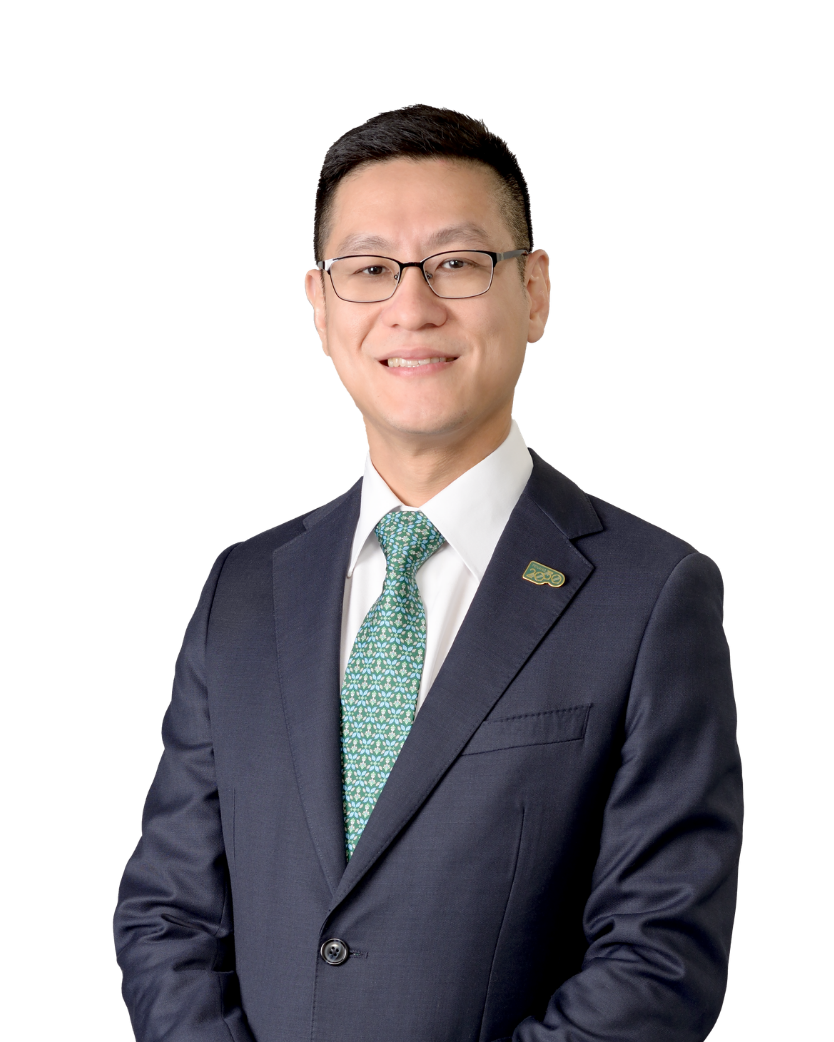
YB Zairil Khir Johari
Speaker
YB Zairil Khir Johari
State Executive Councillor for Infrastructure and Transport, Penang
1000-
1015

The Penang Energy Framework: Mandatory RE Targets, Building Efficiency & Industrial Decarbonisation

The Penang Energy Framework launched in late 2024 sets binding renewable energy and building efficiency targets for 2030. This keynote details the state’s policy direction – mandatory rooftop solar requirements for new industrial buildings, Building Energy Intensity standards, and RE procurement expectations. The outcome: clarity on what compliance looks like for manufacturers and how Penang integrates with national NETR and 13th Malaysia Plan goals.
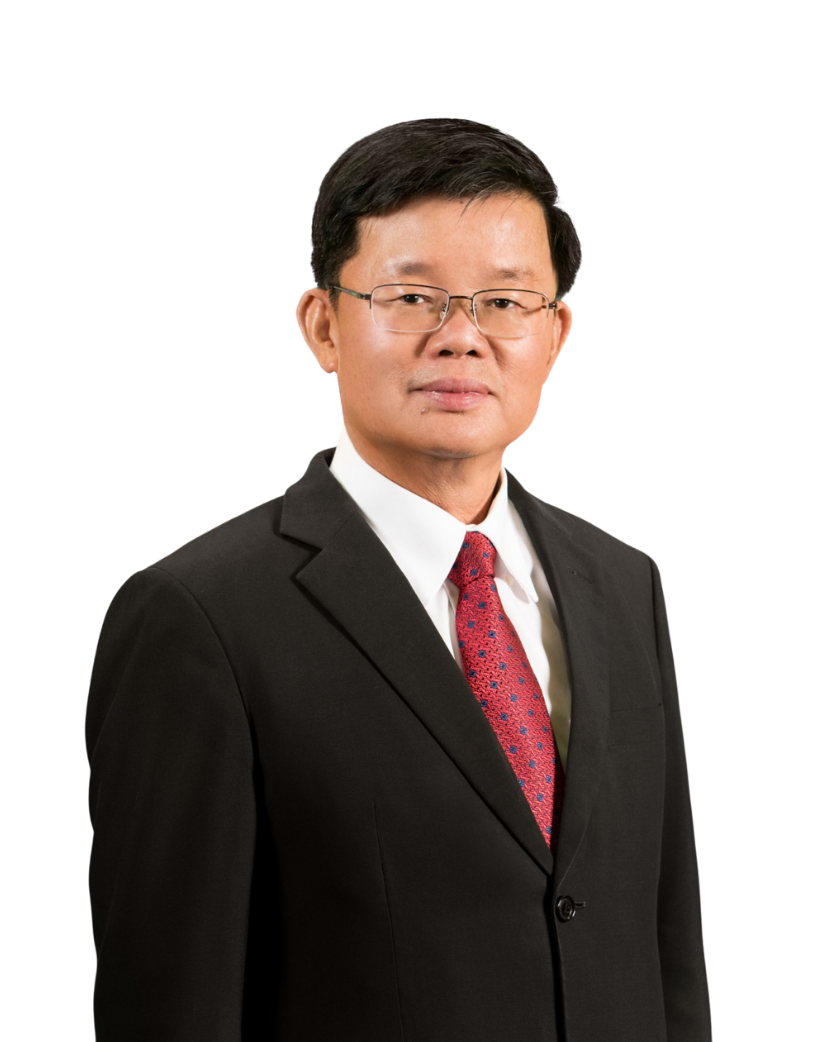
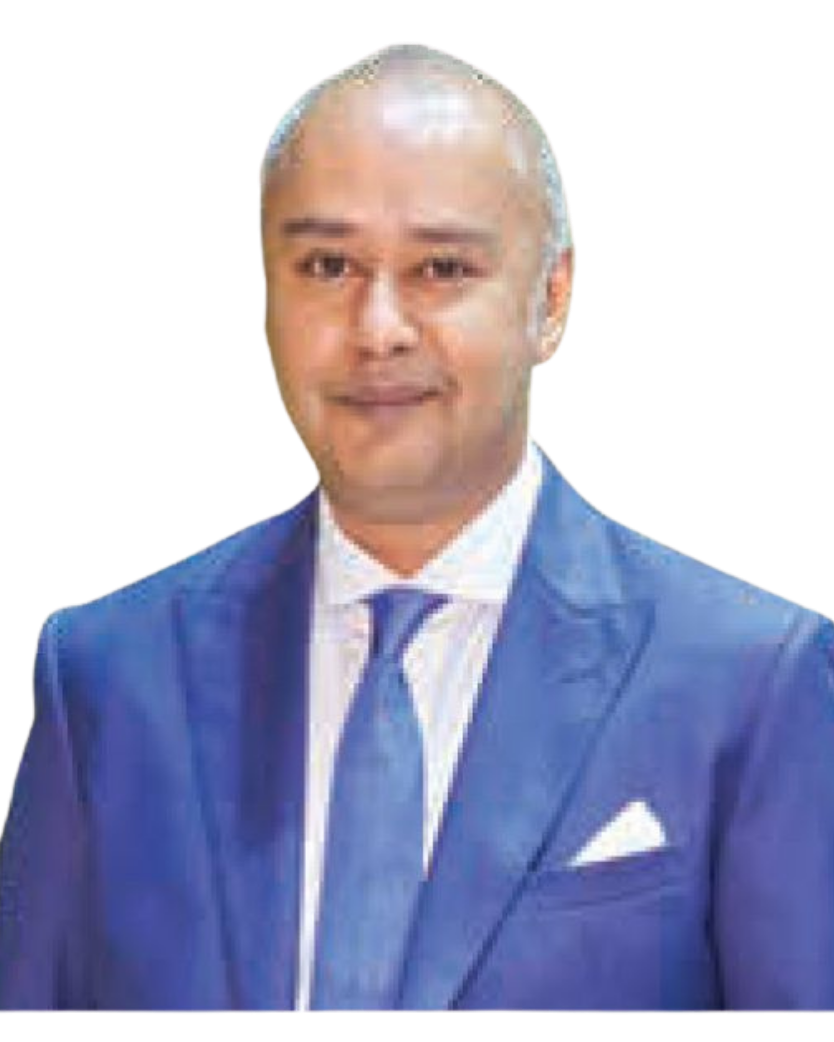
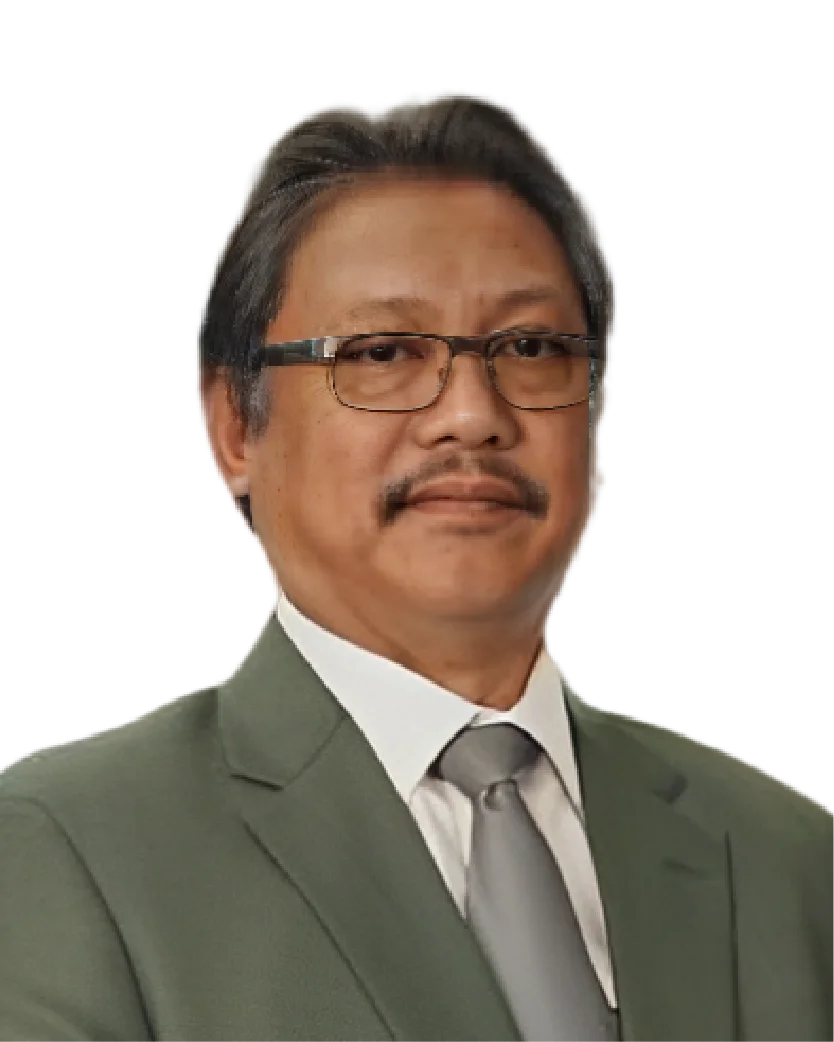
YAB Chow Kon Yeow
Speaker
YAB Chow Kon Yeow
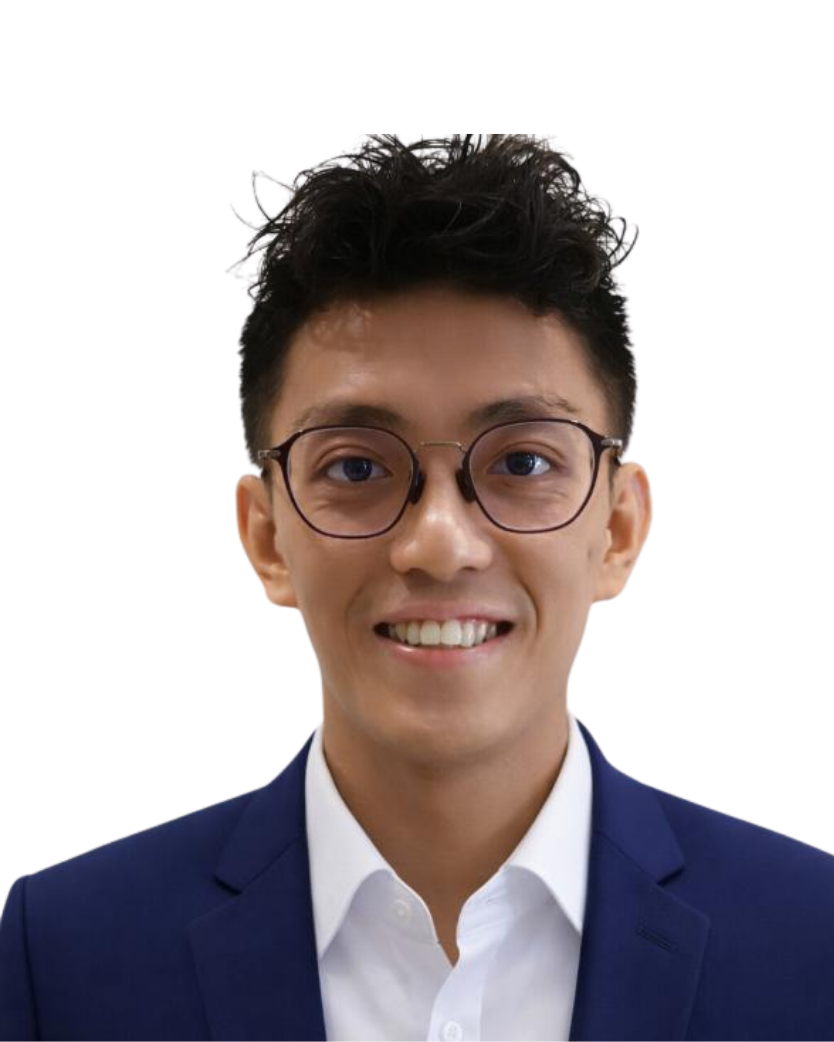
Chief Minister of Penang
1015-
1030

MOU Signing Ceremony: MPSEA × 3M

Collaboration between MPSEA and 3M to develop Work-at-Height (WAH) Guidelines and safety training modules for the solar industry.
Ir. Ts. Justin Sim
Speaker
Ir. Ts. Justin Sim
President | Malaysian Photovoltaic & Sustainable Energy Industry Association (MPSEA)
YAB Chow Kon Yeow
Speaker
YAB Chow Kon Yeow
Chief Minister of Penang
1015-
1030

The Selangor Human Resource Development Centre (SHRDC) × MPSEA Document Exchange Ceremony

SHRDC and MPSEA formalised a collaboration recognising RTZ Penang Series 2026 as a 6-hour MBOT CPD programme, enabling technologists and technicians to earn CPD hours while strengthening knowledge in renewable energy, decarbonisation, ESG, and the energy transition. The partnership supports professional development and a skilled workforce for Malaysia’s sustainable energy future.
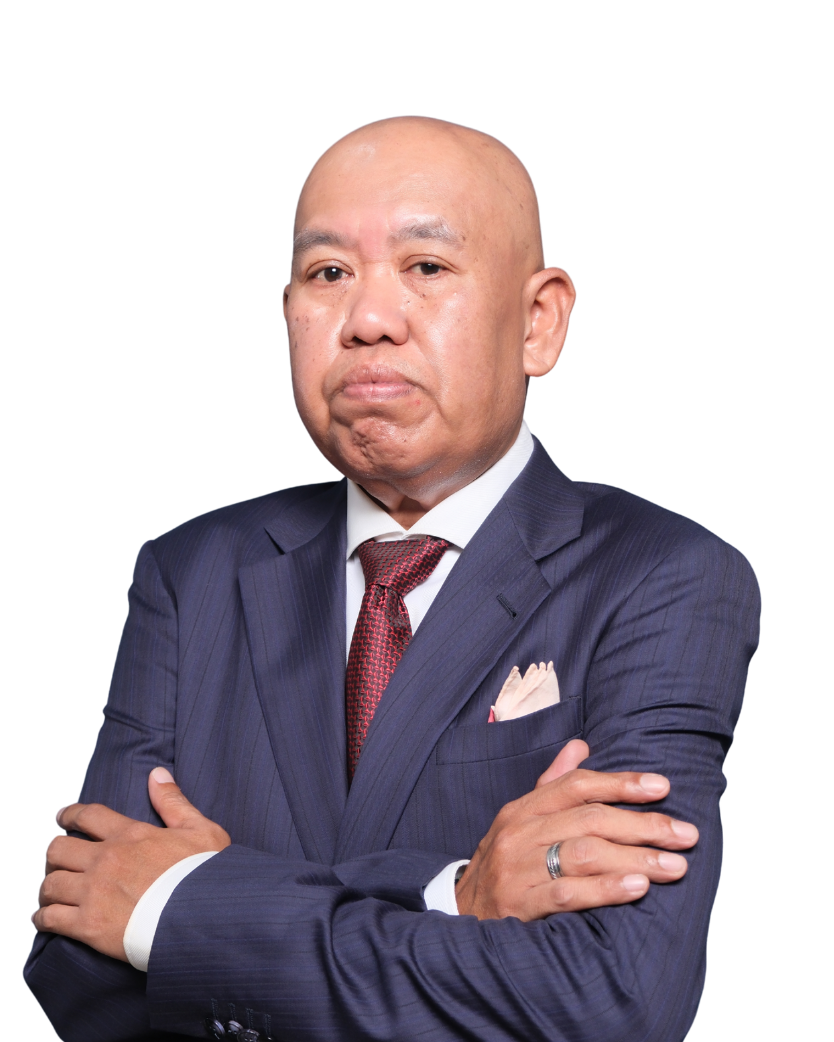
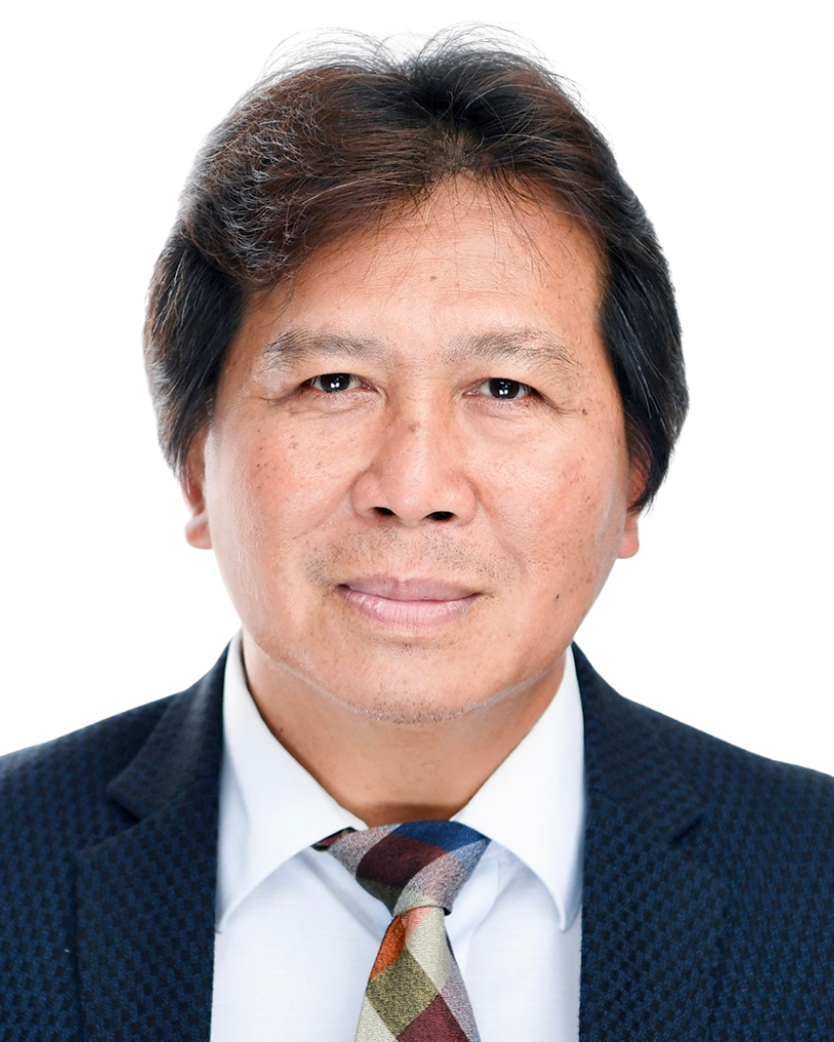
Teh Sook Ling
Speaker
Teh Sook Ling
Executive Director | Selangor Human Resource Development Centre (SHRDC)
Ir. Ts. Justin Sim
Speaker
Ir. Ts. Justin Sim
President | Malaysian Photovoltaic & Sustainable Energy Industry Association (MPSEA)
YAB Chow Kon Yeow
Speaker
YAB Chow Kon Yeow
Chief Minister of Penang
1035-
1130

Networking Coffee Break & Exhibition

1100-
1200

Industry Dialogue with the Chief Minister of Penang (By Invitation Only)

An exclusive, invitation-only session bringing together senior leaders for candid dialogue with the Chief Minister of Penang. This intimate, off-the-record format offers a rare opportunity to engage directly on the state’s economic priorities, investment landscape, and strategic vision for growth. Participants will gain firsthand insight into policy direction while building meaningful connections with fellow industry and government leaders.
YAB Chow Kon Yeow
Speaker
YAB Chow Kon Yeow
Chief Minister of Penang
1130-
1145

Rooftop & Floating Solar for Land-Scarce Industrial Zones: Maximising Generation on Penang’s Constrained Footprint

With 75% rooftop solar coverage mandated for new commercial and industrial buildings, and floating solar studies underway at Mengkuang and Teluk Bahang dams, Penang is innovating around its land scarcity. This keynote explores deployment models that deliver firm generation from constrained sites. The outcome: practical pathways to maximise on-site and near-site clean generation for manufacturing clusters.
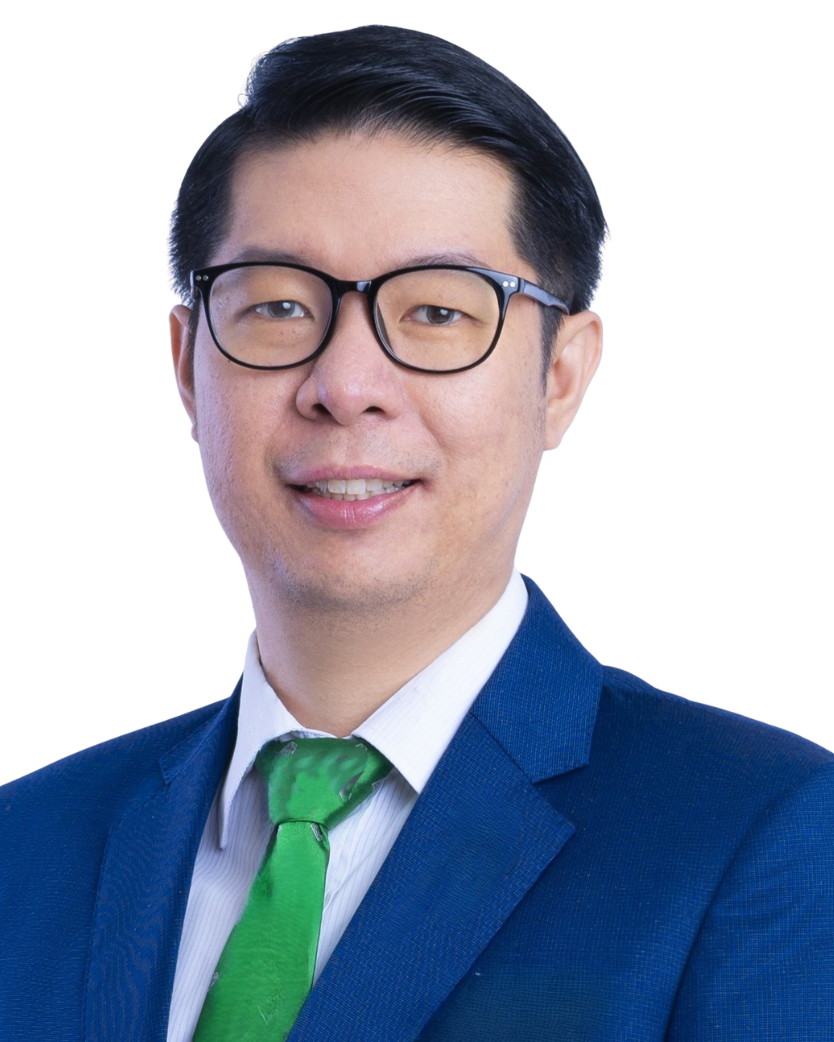
Alvin Tan
Speaker
Alvin Tan
Business Development Manager | Solarvest Holdings Berhad
1145-
1200

Rooftop Solar Integration for Land-Scarce Industrial Sites: Maximising Generation Without Compromising the Line

Penang’s mandatory 75% rooftop solar coverage target is straightforward on paper — but delivering it across active semiconductor fabs, OSAT facilities, and densely built industrial estates is anything but. This session focuses on the inverter and integration layer: how hybrid inverter and AC-coupled microinverter architecture enables high-yield rooftop solar deployment on constrained, vibration-sensitive sites without the arc fault and high-voltage risks that complicate conventional string inverter installations in manufacturing environments. The outcome: a practical framework for EPCs, M&E contractors, and facility managers weighing solar integration options under the Penang Energy Framework compliance clock.
Jessie Liang
Speaker
Jessie Liang
Country Manager | FoxESS
1200-
1250

Supply Chain Decarbonisation: How Global ESG Mandates Are Reshaping Penang’s Manufacturing Competitiveness

Leading global manufacturers including Apple, Intel, and Samsung increasingly expect verified Scope 2 emissions reductions across their supply chains. For Penang’s OSAT providers, PCB manufacturers, and medical device firms, clean energy is no longer optional – it’s a market access requirement. This panel examines how firms can meet EU CBAM, US due diligence laws, and buyer sustainability mandates. The outcome: clear strategies linking clean energy procurement to export market retention and premium positioning.
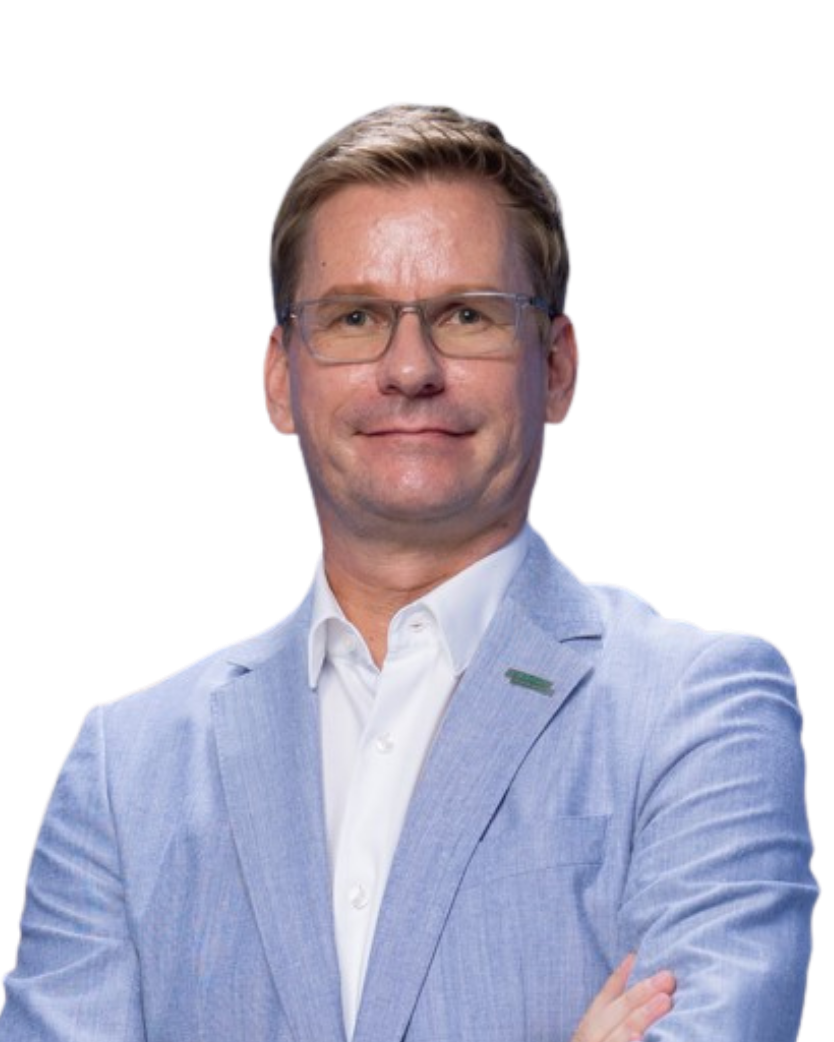
Elmar Friesnegger
Panellists
Elmar Friesnegger
President | FREPENCA
Tuan Amirudin
Panellists
Tuan Amirudin
Project Manager – Sustainable Finance | Control Union
Alice Yeo
Panellists
Alice Yeo
Managing Director | Climate Quest Sdn Bhd
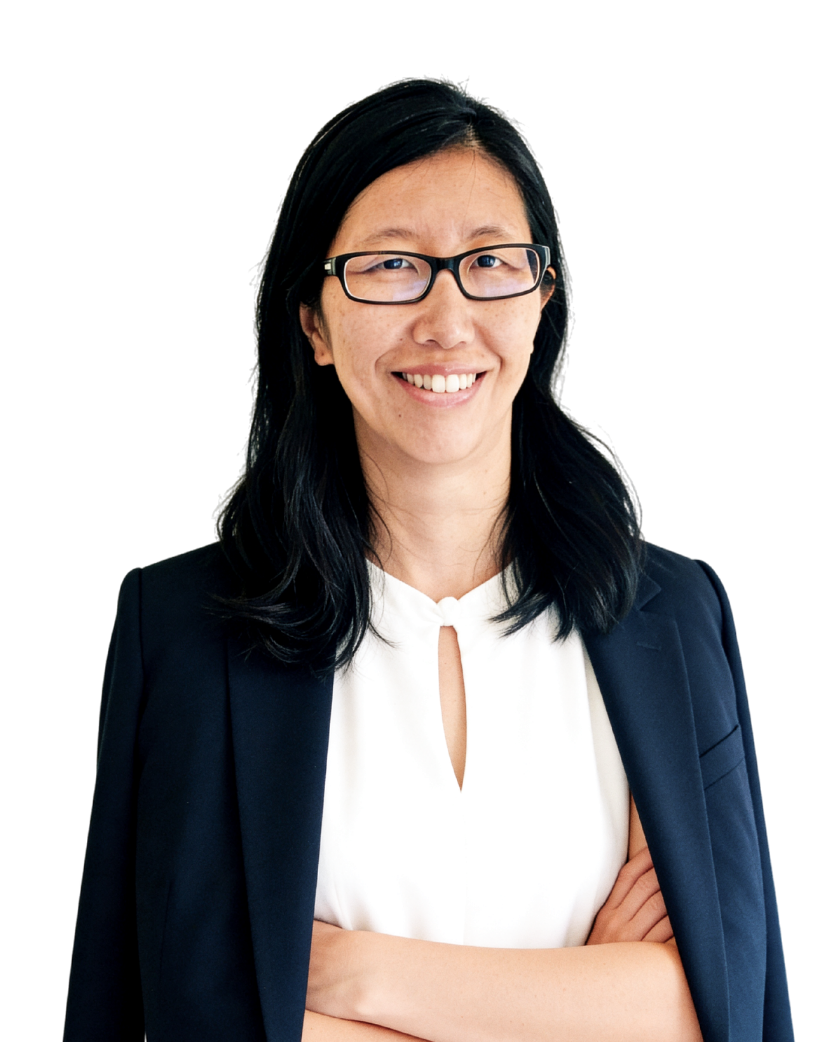
Dr. Ng Shin Wei
Moderator
Dr. Ng Shin Wei
Strategic Advisor | Penang Green Council
1250-
1430

Networking Lunch & Exhibition

1430-
1445

Smarter Solar, Smarter Savings: How AI-Powered Energy Management is Cutting Costs and Carbon for Penang's Manufacturers

Installing rooftop solar is step one — making it work intelligently is where the real savings happen. As Penang’s manufacturers bring solar and storage online under mandatory compliance timelines, the energy management layer is the critical differentiator between a system that performs and one that underdelivers. This session introduces how AI-powered EMS and hybrid C&I inverter architecture dynamically optimise generation, storage dispatch, and grid interaction in real time — reducing peak demand charges, maximising self-consumption, and delivering auditable carbon data for supply chain reporting. The outcome: intelligent energy management as the missing layer in Penang’s industrial decarbonisation stack.
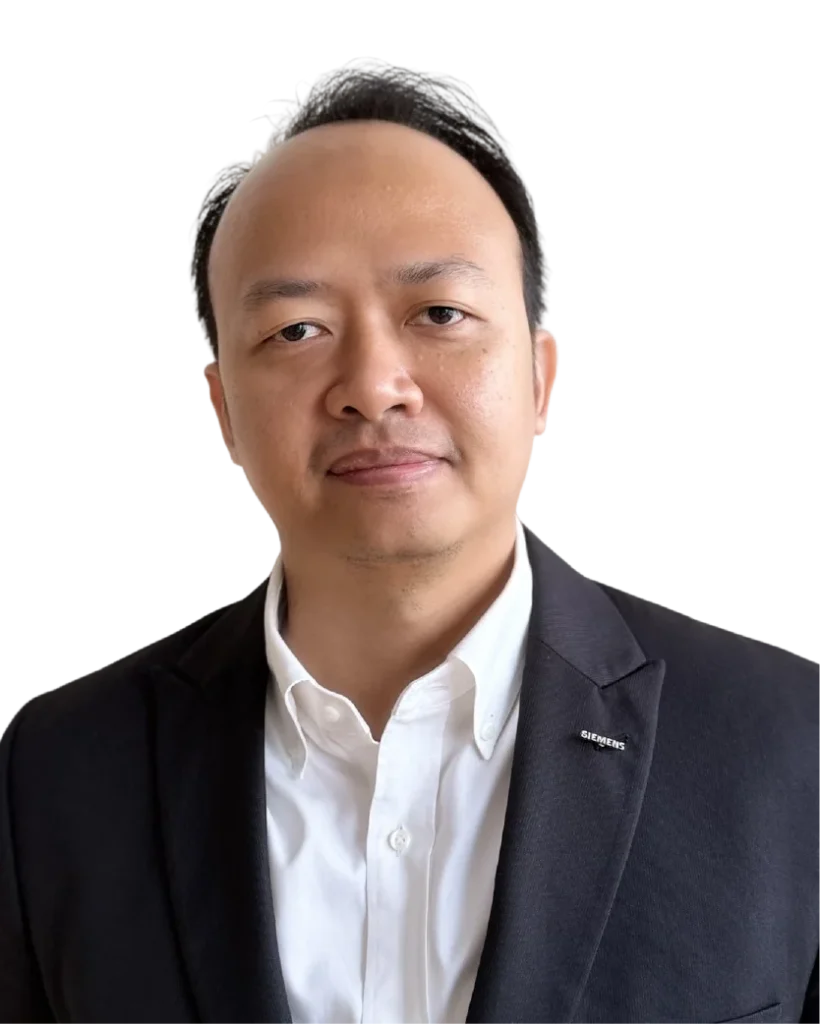
Jason Zhang
Speaker
Jason Zhang
Sales Director, Southeast Asia | SAJ Electric
1445-
1500

De-Risking Solar PV and BESS Achieving Fire Safety and Secured Commercial ROI through Atmoce Innovation

Semiconductor fabrication and OSAT facilities demand uninterrupted, frequency-stable power — exactly the challenge intermittent renewables create. This session addresses how battery energy storage and grid flexibility solutions bridge the gap, enabling manufacturers to increase RE uptake without compromising production uptime. It also examines how storage architecture choices — including the shift toward extra-low voltage systems — are reshaping the safety and deployment calculus for facilities where any unplanned downtime carries significant cost. Outcome: positioning storage as essential industrial infrastructure for Penang’s high-tech manufacturing base.
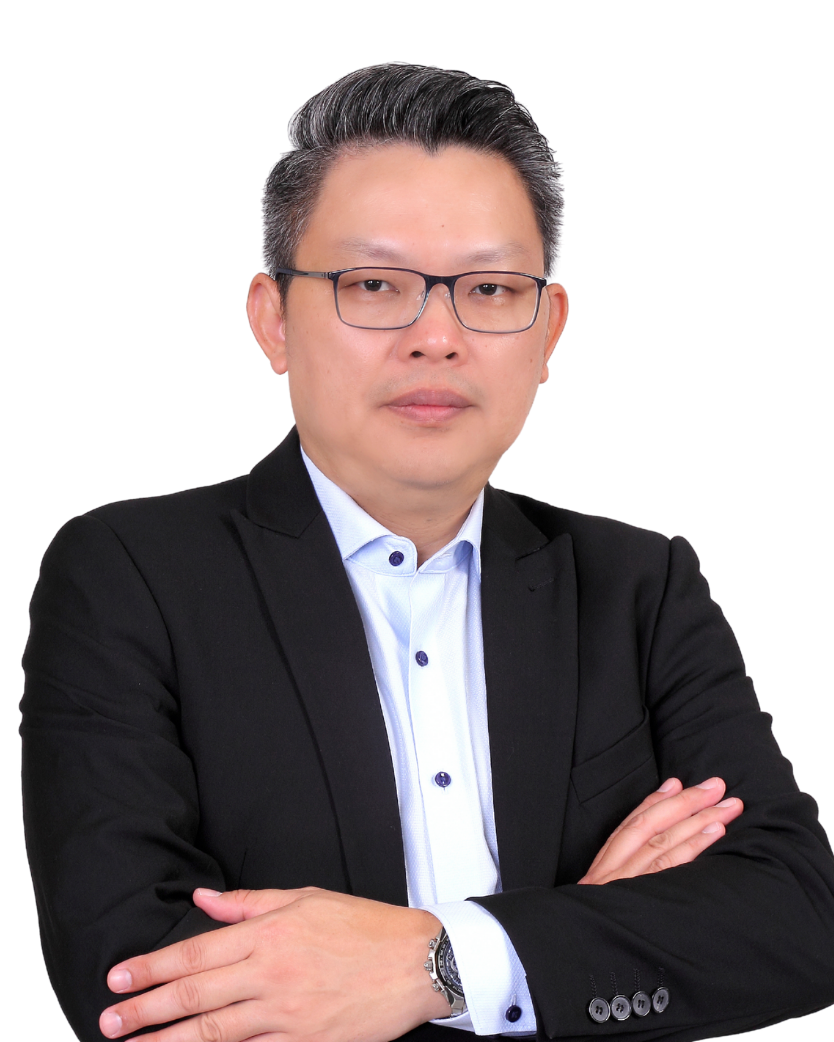
James Lee
Speaker
James Lee
Country Manager | ATMOCE
1500-
1545

From Compliance to Competitiveness: Getting Started on the Penang Green Industry Programme (PGIP)

Penang’s manufacturers know they need to decarbonise — but most don’t know where to start, what support is available, or how to access it. This workshop, facilitated by the Penang Green Council, provides a structured introduction to the Penang Green Industry Programme (PGIP) and its SHIFT transformation pathway — a state-backed framework designed to help SMEs and manufacturers assess their sustainability baseline, identify priority improvement areas, and access financing for implementation. Delegates will be walked through the SHIFT @ Assess process, introduced to the Climate Mitigation Fund (CM Fund) developed with Alliance Bank, and leave with a clear picture of the steps between where they are today and a funded, actionable green transformation plan. Takeaway: Delegates leave with a concrete first step — and a practical pathway toward implementation.
Kevin Shawn Fernandez
Speaker
Kevin Shawn Fernandez
Vice President of Group Sustainability & Strategic Partnerships | Alliance Bank
Patricia Chin
Speaker
Patricia Chin
Senior Officer | Penang Green Council
1545-
1630

Preparing Penang's Industries for Net Zero: Unlocking Business Opportunities Through Green Buildings

Industrial Net Zero is no longer just an environmental goal—it is becoming a business imperative driven by customer expectations, investor requirements, financing trends, and evolving regulations. As Penang strengthens its position as a leading manufacturing and semiconductor hub, industrial players are increasingly expected to demonstrate credible sustainability performance and clear decarbonisation pathways to remain competitive. But for many organisations, the question remains: Where do we start? This interactive workshop explores how green buildings and green building certification can act as practical starting points for Industrial Net Zero. Beyond compliance, participants will discover how sustainable industrial facilities can improve energy efficiency, reduce carbon emissions, strengthen ESG performance, unlock green financing opportunities, enhance supply chain competitiveness, and future-proof industrial assets. Participants will leave with practical actions they can implement immediately—and a clearer view of how sustainability can create measurable business value.
Dr Joseph Kong
Speaker
Dr Joseph Kong
Managing Director | DME Solutions Sdn Bhd
1630-
1635

Penang’s Race to Net Zero: Securing Clean Energy Competitiveness for the World’s Semiconductor Supply Chain

Short and grounded in what just happened in the room. The five non-negotiables — procurement reform, grid readiness, rooftop deployment, green finance access, and supply chain compliance — are each tied to a moment from the afternoon workshops. Closes with a commitments wall where delegates commit to one action they will implement within the next 90 days.
Samuel Soon
Speaker
Samuel Soon
Event Chairman of R.A.C.E to ZERO | Malaysian Photovoltaic & Sustainable Energy Industry Association (MPSEA)
1635-
1700

Networking Coffee Break & Exhibition

0930-
0940

Opening Remarks by MPSEA President

The MPSEA President frames Sabah’s energy paradox — 37% of Malaysia’s solar potential and over 1,500MW of hydropower, yet communities still without reliable power — and sets the course for an inclusive, high-ambition transition.
Ir. Ts. Justin Sim
Speaker
Ir. Ts. Justin Sim
President | Malaysian Photovoltaic & Sustainable Energy Industry Association (MPSEA)
0940-
1000

Flattening the electricity demand ‘Duck Curve’: Lessons from Australia

Australia’s world-leading Cheaper Home Batteries Program is transforming rooftop solar into reliable, flexible energy – reducing daytime solar exports and evening peak demand. With more than 500,000 batteries and 14 GWh of new energy storage installed in just over 12 months, the impact on the ‘Duck Curve’ is already visible. This keynote sets out how Sabah can be a leader the battery revolution.
Prof. Scott Hamilton
Speaker
Prof. Scott Hamilton
Deputy Chief Executive Officer of the Renewable Energy Council Asia Pacific (RECAP) | Renewable Energy Council Asia Pacific (RECAP)
1000-
1020

SE-RAMP 2040 in Action: What Sabah Has Delivered — and What’s Being Built Next

The Guest of Honour Keynote will present SE-RAMP 2040 as Sabah’s pathway towards energy security, economic growth, and shared prosperity. The Chief Minister will highlight Sabah’s clean energy potential, commitment to a just and inclusive transition, and vision to attract investment while positioning the state as a regional energy leader through ASEAN cooperation and emerging carbon market opportunities.
Datuk Ir. Abdul Nasser bin Abdul Wahid
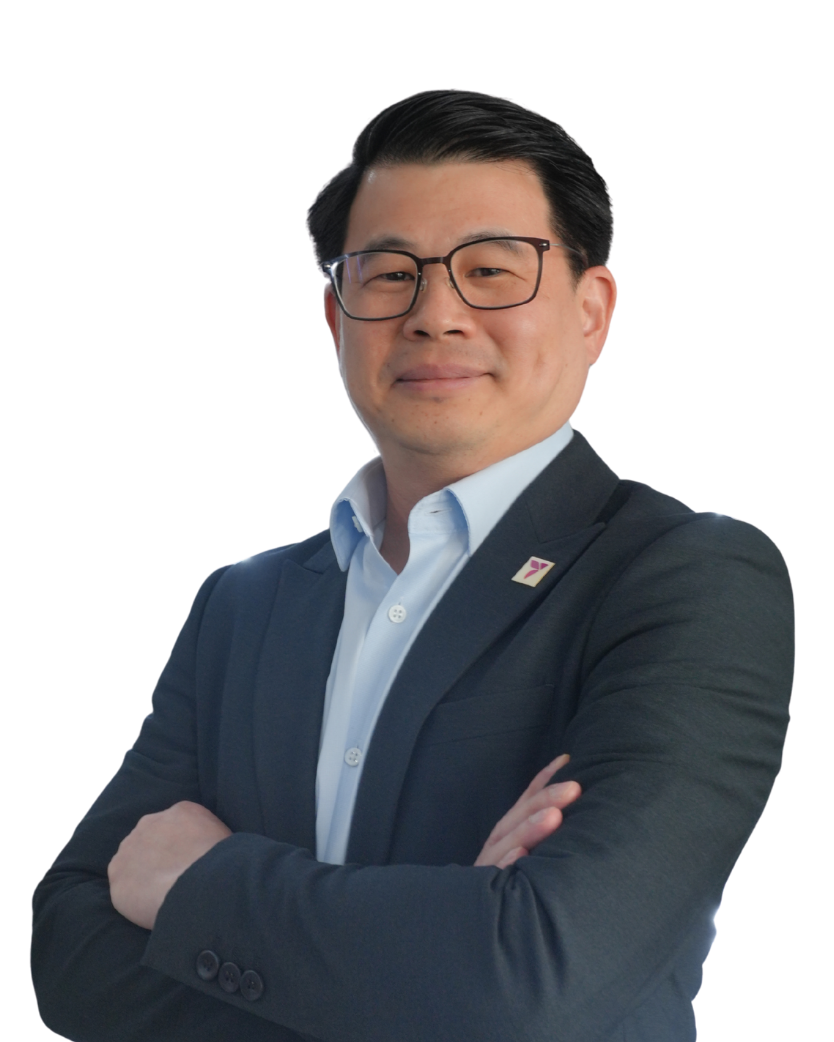
Speaker
Datuk Ir. Abdul Nasser bin Abdul Wahid
Chief Executive Officer | Energy Commission of Sabah
1020-
1030

Official Opening Ceremony

1030-
1100

Networking Coffee Break

1100-
1120

From Intermittent to Investable: How Sabah’s 100MW BESS Is Unlocking the Next Wave of Large-Scale Solar Development

Sabah’s 100MW/400MWh BESS at Lahad Datu is what makes utility-scale solar bankable — raising reserve margins, cutting curtailment risk, and unlocking ECoS capacity for the next LSS round. Malaysia’s most active solar EPCC developer unpacks what it means for the pipeline: SESB’s connection queue, the coming LSS Sabah auction, and how solar-plus-storage is being structured to meet East Coast firm-capacity demand.
Alphonsus Liau Chee Kheong
Speaker
Alphonsus Liau Chee Kheong
General Manager | Solarvest
1120-
1140

Solar + Storage for Sabah’s Plantations and C&I: How Hybrid Inverter Technology Is Making Distributed Clean Energy Bankable

Tariff rationalisation, long connection queues, and a need for firm power make solar alone insufficient for Sabah’s C&I and plantation sites. Fox ESS, a Bloomberg NEF Tier 1 storage provider with top-3 market share in seven countries, shows how hybrid inverter and battery systems now beat diesel and grid costs for mills, cold chain, and processing plants — plus how FoxCloud enables remote monitoring across Sabah’s terrain.
Jessie Liang
Speaker
Jessie Liang
Country Manager | FoxESS
1140-
1230

Scaling Solar & Storage in Sabah: Building Bankable Clean Energy Projects

Sabah holds 37% of Malaysia’s solar potential and total solar capacity is set to exceed 350MW by 2027, with LSS-SABAH’s 199MW award and Southeast Asia’s largest BESS at Lahad Datu already proving the market. This panel brings together developers, EPCs and technology providers to unpack what it actually takes to deliver projects here – site and land access, grid connection under SESB, storage sizing, EPC capacity, logistics and cost of capital. The outcome: a practical delivery playbook for solar, storage and hybrid projects across Sabah’s industrial, commercial and utility segments.
Rahman Khan
Panellists
Rahman Khan
Deputy President | Sabah Timber Industries Association
Hadanan Hussin
Panellists
Hadanan Hussin
Head of Renewable Energy | Sabah Economic Advisory Council (SEAC)
Lionel Yap
Panellists
Lionel Yap
Secretary | Malaysian Photovoltaic & Sustainable Energy Industry Association (MPSEA)
Alphonsus Liau Chee Kheong
Panellists
Alphonsus Liau Chee Kheong
General Manager | Solarvest
Vincent Ting Din Ee
Moderator
Vincent Ting Din Ee
Principal | Roland Berger
1230-
1400

Networking Lunch + Exhibition

1400-
1420

From Diesel to Done: A Practical Guide to Solar + BESS for Sabah’s Plantation and Industrial Operators

De-dieselisation is now a cost imperative for Sabah’s mills and estates. This keynote gives the practical roadmap: how to size a solar + BESS system, real cost benchmarks against diesel and grid tariffs, and how stackable storage removes the all-or-nothing capital barrier — with real deployment numbers.
Yohanz Khor
Speaker
Yohanz Khor
Solution Manager | Sigenergy
1420-
1520

Sabah’s Climate Change and Carbon Governance Enactment 2025: What It Means for Your Business

Passed by the Sabah State Assembly on 8 July 2025, this is the state’s biggest energy and environment law in a generation — establishing carbon rights as state property, the Sabah Climate Action Council (SCAC), a Climate Fund, and mandatory community benefit-sharing. This workshop demystifies who can register projects, which methodologies qualify, and how credits are verified — turning Sabah’s 4.68 million hectares of forest and agricultural land into a carbon revenue stream.
Scholastika Juis
Speaker
Scholastika Juis
ESD Consultant | DME Solutions Sdn Bhd
1520-
1530

Sabah’s Race to Net Zero: Five Non-Negotiables for a Just and Inclusive Energy Transition

Five non-negotiables — grid reliability, renewable scale-up, carbon monetisation, inclusive electrification, and local industry participation — tied back to moments from the day. Closes with a commitments wall where delegates post one action for the next 90 days.
Samuel Soon
Speaker
Samuel Soon
Event Chairman of R.A.C.E to ZERO | Malaysian Photovoltaic & Sustainable Energy Industry Association (MPSEA)
1530-
1630

Networking Coffee Break + Exhibition

Powering ASEAN’s Net Zero Future — Sarawak as ASEAN's Clean Energy Hub

The Sarawak Edition centres on how the state can turn its abundant hydropower, growing solar capacity and cross-border grid connectivity into a competitive platform for low-carbon industry, data centres and regional clean energy investment. With firm renewable power already underpinning Sarawak’s energy advantage, the next challenge is converting capacity into bankable projects, investable industrial growth and long-term clean energy offtake. Discussions will explore how hydro, floating solar, BESS, distributed storage and credible carbon accounting can work together to strengthen Sarawak’s position as a leading clean energy and green industrial hub in ASEAN.

Delegates will gain insight into:

  • How Sarawak is leveraging firm renewable power to attract manufacturers, data centres and high-value investment
  • Structuring bankable 24/7 clean energy offtake and PPA models for industry and digital infrastructure
  • The potential of floating solar across Sarawak’s hydro reservoirs, including Batang Ai, Bakun and Baleh
  • BESS, hybrid inverter and distributed storage solutions for grid flexibility, C&I applications and rural energy systems
  • Carbon accounting, green certification, CBAM readiness and ESG strategies that turn clean power into a measurable competitive advantage
0930-
0940

Welcome: Sarawak as ASEAN's Clean Energy Platform

Sarawak holds 6.2 GW of hydropower, a live cross-border grid, and a state energy transition policy that means business. The MPSEA President opens by framing what makes this market genuinely different — and why the decisions being made here in 2026 will set the trajectory for clean energy investment across the region.
Ir. Ts. Justin Sim
Speaker
Ir. Ts. Justin Sim
President | Malaysian Photovoltaic & Sustainable Energy Industry Association (MPSEA)
0940-
0945

From Power to Industry: Turning Sarawak's Firm Renewable Energy into Investable Growth

Sarawak’s energy transition has moved from policy to delivery. This opening keynote sets out how the Sarawak Energy Transition Policy (SET-P) turns the state’s firm, round-the-clock renewable power — anchored by hydropower and SCORE — into competitive, low-carbon industrial growth, and what it means for manufacturers, data centres and investors.
YB Datuk Dr. Haji Hazland bin Abang Haji Hipni
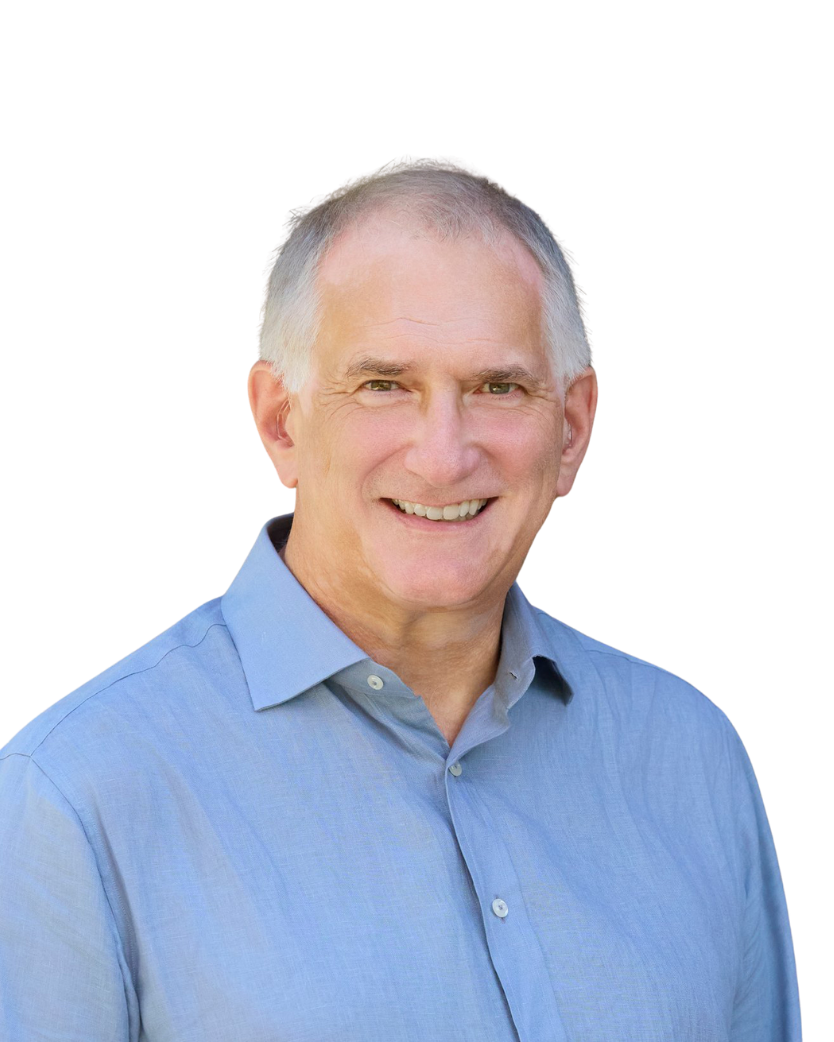
Speaker
YB Datuk Dr. Haji Hazland bin Abang Haji Hipni
Deputy Minister | Ministry of Energy and Environmental Sustainability Sarawak (MEESty)
0945-
0955

Pricing the Firm Clean Electron: What It Will Take for Sarawak to Win the Regional Offtake Race

Firm, clean power is only as valuable as the contracts that let buyers pay for it. Drawing on three decades of energy-economics work across ASEAN and North Asia, this keynote sets out what Sarawak must get right to turn its hydro-solar-storage advantage into signed, bankable deals: how firmed renewable power is priced for data centres and industry, the market and regulatory reforms that unlock cross-border and corporate offtake, and what will decide whether Sarawak captures the next decade of regional clean energy demand.
Mike Thomas
Speaker
Mike Thomas
Managing Director | Lantau Group
0955-
1005

From Solar Surplus to Stored Power: Australia’s Battery Revolution

Australia’s world-leading Cheaper Home Batteries Program has delivered more than 500,000 battery installations in just over 12 months. Drawing on how this rapid deployment is already reshaping Australia’s electricity demand “duck curve”, the keynote sets out practical lessons for Sarawak on policy design, industry quality and workforce capability.
Prof. Scott Hamilton
Speaker
Prof. Scott Hamilton
Deputy Chief Executive Officer of the Renewable Energy Council Asia Pacific (RECAP) | Renewable Energy Council Asia Pacific (RECAP)
1005-
1020

From Energy Advantage to Economic Growth: Powering Sarawak's Next Investment Wave

Sarawak’s abundant, reliable renewable energy has created a powerful competitive advantage. The next chapter is about translating this advantage into high-value investment, new industries and long-term economic growth. This keynote explores Sarawak’s strategy to position clean, firm power as a catalyst for attracting global manufacturers, digital infrastructure and other strategic investments—strengthening the state’s role as a leading green growth and investment destination in Asia.
YB Datuk Dr Malcolm Mussen Lamoh
Speaker
YB Datuk Dr Malcolm Mussen Lamoh
Deputy Minister for International Trade and Investment, Sarawak | Ministry of International Trade, Industry and Investment Sarawak (MINTRED)
1020-
1030
1030-
1100

Networking Coffee Break

1100-
1115

Floating Solar on Sarawak's Hydro Reservoirs: Project Economics at Batang Ai, Bakun and Baleh

Floating PV on Sarawak’s major hydro reservoirs is not a concept — it is the next phase of the state’s solar build-out. Solarvest maps the technical and commercial case for co-location across Sarawak’s reservoir portfolio: the yield uplift, the mooring engineering, the grid connection at existing hydro substations, and the hybrid PPA structures that make these projects financeable today.
Alphonsus Liau Chee Kheong
Speaker
Alphonsus Liau Chee Kheong
General Manager | Solarvest
1115-
1130

Solving Sarawak's Grid Flexibility Challenge: BESS for Rural Electrification, Islanded Grids and Dispatchable Hybrid Power

Sarawak’s grid challenges are specific — and so are the solutions required. FoxESS presents the storage and hybrid inverter architecture designed for the realities of Sarawak’s interior grid: remote communities, islanded distribution networks, and the dispatchability requirements for hydro-solar hybrid systems seeking grid connection. Real deployments. Real numbers.
Jessie Liang
Speaker
Jessie Liang
Country Manager | FoxESS
1130-
1215

Who Buys the Power: Structuring Sarawak's First 24/7 Firmed Clean Energy Deals for Data Centres and Industry

Sarawak can already generate firm, clean power; the more pressing question is who buys it, who delivers it, and how such agreements are structured. With a 500MW data centre park taking shape and its first AI facility due online in 2026, this panel convenes every side of the deal: the buyers requiring round-the-clock clean power, the developers and independent power producers who build, own and firm the hydro-solar-storage capacity behind it, and the utility and agencies holding the grid and contractual frameworks. Together they map what a bankable 24/7 deal actually requires — from generation and firming risk through PPA structure, grid access and guarantees of origin — and how Sarawak turns installed capacity into signed offtake.
Sylvester Wong
Panellists
Sylvester Wong
Executive Director | Global Telecommunications Group
Alphonsus Liau Chee Kheong
Panellists
Alphonsus Liau Chee Kheong
General Manager | Solarvest
Prof. Scott Hamilton
Panellists
Prof. Scott Hamilton
Deputy Chief Executive Officer of the Renewable Energy Council Asia Pacific (RECAP) | Renewable Energy Council Asia Pacific (RECAP)
Ts. Gs. Ir. Dr. Br. TING SIE CHUN
Panellists
Ts. Gs. Ir. Dr. Br. TING SIE CHUN
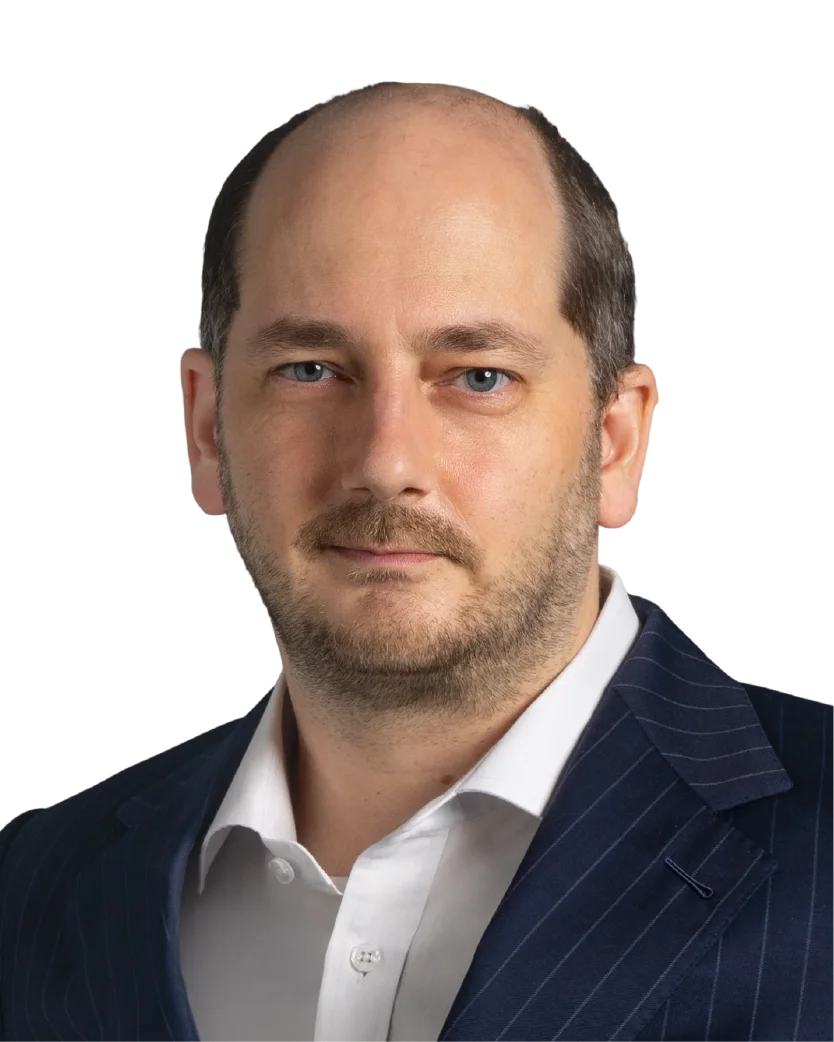
President | Malaysia Sustainable Green Energy Association
Dieter Billen
Moderator
Dieter Billen
Partner & Head of Energy and Sustainability Practice SEA | Roland Berger
1215-
1230

From Rooftop to Grid: Hybrid Inverters and Scalable Storage for Sarawak’s C&I and Utility Market

As Sarawak’s C&I rooftop and large-scale solar pipeline opens up, the inverter is where generation, storage and the grid meet. This keynote walks through a hybrid-inverter and energy-storage portfolio that scales from single commercial rooftops to multi-megawatt installations — supporting battery backup, peak shaving and virtual power plant aggregation. With systems spanning kilowatt to utility class, the session shows how businesses can lower energy costs and ride through outages today, while building the distributed storage layer that strengthens Sarawak’s grid as solar penetration rises.
Emily Li
Speaker
Emily Li
Sales Manager | SolaxPower
1230-
1400

Networking Lunch

1400-
1415

De-Risking Solar PV and BESS: Achieving Fire Safety and Secured Commercial ROI through Atmoce Innovation

For Sarawak’s data centres, industrial operators and C&I facilities, the decision to deploy solar and battery energy storage is not just a technical one — it is a risk management one. As the state builds its position as ASEAN’s clean energy hub, unplanned downtime carries significant financial consequences, and conventional high-voltage storage architectures introduce fire and arc fault risks that give facility managers pause. This session examines how advances in storage safety architecture — including the shift toward extra-low voltage systems — are removing the barriers that have held back solar and BESS adoption in demanding operating environments, and how the right technology choices translate into a more predictable, bankable commercial return. Outcome: a practical framework for Sarawak’s energy users to evaluate solar-plus-storage deployment with confidence in both safety performance and ROI.
James Lee
Speaker
James Lee
Country Manager | ATMOCE
1415-
1430

Maximising Yield per Hectare: High-Efficiency Modules for Floating PV and Land-Constrained Sites

When solar is built on reservoir surfaces or competes with other land uses, every percentage point of module efficiency changes the project economics. This keynote makes the case for high-efficiency N-type back-contact technology in the Sarawak context — more power from the same footprint on floating PV at Bakun, Murum, Batang Ai and Baleh, stronger output on constrained C&I rooftops, and better performance under partial shading and tropical heat. The session connects cell-level innovation to bankable outcomes: higher energy yield, lower levelised cost, and a clearer path to the gigawatts Sarawak’s 2035 target demands.
Kiang Kwi Tiam
Speaker
Kiang Kwi Tiam
Regional Sales Director | Aiko Solar
1430-
1530

Beyond the Megawatts: Carbon Accounting, Green Certification and CBAM-Ready Decarbonisation for Sarawak Industry

Clean power is only half of an industrial decarbonisation strategy — the other half is measuring, certifying and reporting it credibly. This practical workshop walks Sarawak’s manufacturers, palm oil players and developers through the steps that turn renewable procurement into a defensible carbon position: greenhouse-gas accounting and Scope 1–3 baselines, green building and facility certification, carbon credits, and the ESG disclosures that buyers and financiers now expect. With the EU CBAM reshaping the economics of exports, the session focuses on how a clean Sarawak grid becomes a documented competitive advantage rather than an untracked one
Dr. Elaine Why
Speaker
Dr. Elaine Why
Technical Manager | DME Solutions Sdn Bhd
1530-
1540

From Sarawak, For ASEAN: The Decisions That Will Define the Next 90 Days

The grid is live. The policy is set. The capital is looking. The closing keynote names the specific decisions — on LSS-Sarawak, CRESS, the Peninsular grid link and C&I access — that will be made in the next 90 days, and issues a direct call to action to the developers, financiers and offtakers in the room. Sarawak’s window as ASEAN’s clean energy platform is open. This is the moment to move.
Samuel Soon
Speaker
Samuel Soon
Event Chairman of R.A.C.E to ZERO | Malaysian Photovoltaic & Sustainable Energy Industry Association (MPSEA)
1540-
1630

Networking Coffee Break + Exhibition

Clean Energy for Agriculture, Natural Resources & Sabah’s Just Energy Transition

The Sabah Edition focuses on how clean energy can support the state’s agriculture, plantation and natural resource sectors while advancing a just and inclusive energy transition. With strong solar potential, abundant biomass resources and significant economic activity across agriculture, forestry and resource-based industries, Sabah has an opportunity to use clean energy not only to reduce emissions, but also to improve productivity, strengthen energy security and create new economic opportunities. The next challenge is translating these resources into practical, investable solutions that work for businesses, rural communities and the wider economy. Discussions will explore how solar, biomass, BESS, distributed energy and energy efficiency can support Sabah’s key industries while ensuring that the benefits of the energy transition are shared more broadly across the state.

Delegates will gain insight into:

  • How clean energy can strengthen the competitiveness and sustainability of Sabah’s agriculture, plantation and natural resource sectors
  • Unlocking solar, biomass and waste-to-energy opportunities across plantations, processing facilities and resource-based industries
  • The role of BESS, distributed energy and hybrid systems in improving energy reliability for businesses and rural communities
  • Financing and commercial models that can turn Sabah’s renewable resources into scalable and bankable clean energy projects
  • Building a just energy transition that supports local communities, creates new economic opportunities and balances decarbonisation with Sabah’s development priorities
0930-
0940

Opening Remarks by MPSEA President

The MPSEA President frames Sabah’s energy paradox — 37% of Malaysia’s solar potential and over 1,500MW of hydropower, yet communities still without reliable power — and sets the course for an inclusive, high-ambition transition.
Ir. Ts. Justin Sim
Speaker
Ir. Ts. Justin Sim
President | Malaysian Photovoltaic & Sustainable Energy Industry Association (MPSEA)
0940-
1000

Flattening the electricity demand ‘Duck Curve’: Lessons from Australia

Australia’s world-leading Cheaper Home Batteries Program is transforming rooftop solar into reliable, flexible energy – reducing daytime solar exports and evening peak demand. With more than 500,000 batteries and 14 GWh of new energy storage installed in just over 12 months, the impact on the ‘Duck Curve’ is already visible. This keynote sets out how Sabah can be a leader the battery revolution.
Prof. Scott Hamilton
Speaker
Prof. Scott Hamilton
Deputy Chief Executive Officer of the Renewable Energy Council Asia Pacific (RECAP) | Renewable Energy Council Asia Pacific (RECAP)
1000-
1020

SE-RAMP 2040 in Action: What Sabah Has Delivered — and What’s Being Built Next

The Guest of Honour Keynote will present SE-RAMP 2040 as Sabah’s pathway towards energy security, economic growth, and shared prosperity. The Chief Minister will highlight Sabah’s clean energy potential, commitment to a just and inclusive transition, and vision to attract investment while positioning the state as a regional energy leader through ASEAN cooperation and emerging carbon market opportunities.
Datuk Ir. Abdul Nasser bin Abdul Wahid
Speaker
Datuk Ir. Abdul Nasser bin Abdul Wahid
Chief Executive Officer | Energy Commission of Sabah
1020-
1030

Official Opening Ceremony

1030-
1100

Networking Coffee Break

1100-
1120

From Intermittent to Investable: How Sabah’s 100MW BESS Is Unlocking the Next Wave of Large-Scale Solar Development

Sabah’s 100MW/400MWh BESS at Lahad Datu is what makes utility-scale solar bankable — raising reserve margins, cutting curtailment risk, and unlocking ECoS capacity for the next LSS round. Malaysia’s most active solar EPCC developer unpacks what it means for the pipeline: SESB’s connection queue, the coming LSS Sabah auction, and how solar-plus-storage is being structured to meet East Coast firm-capacity demand.
Alphonsus Liau Chee Kheong
Speaker
Alphonsus Liau Chee Kheong
General Manager | Solarvest
1120-
1140

Solar + Storage for Sabah’s Plantations and C&I: How Hybrid Inverter Technology Is Making Distributed Clean Energy Bankable

Tariff rationalisation, long connection queues, and a need for firm power make solar alone insufficient for Sabah’s C&I and plantation sites. Fox ESS, a Bloomberg NEF Tier 1 storage provider with top-3 market share in seven countries, shows how hybrid inverter and battery systems now beat diesel and grid costs for mills, cold chain, and processing plants — plus how FoxCloud enables remote monitoring across Sabah’s terrain.
Jessie Liang
Speaker
Jessie Liang
Country Manager | FoxESS
1140-
1230

Scaling Solar & Storage in Sabah: Building Bankable Clean Energy Projects

Sabah holds 37% of Malaysia’s solar potential and total solar capacity is set to exceed 350MW by 2027, with LSS-SABAH’s 199MW award and Southeast Asia’s largest BESS at Lahad Datu already proving the market. This panel brings together developers, EPCs and technology providers to unpack what it actually takes to deliver projects here – site and land access, grid connection under SESB, storage sizing, EPC capacity, logistics and cost of capital. The outcome: a practical delivery playbook for solar, storage and hybrid projects across Sabah’s industrial, commercial and utility segments.
Rahman Khan
Panellists
Rahman Khan
Deputy President | Sabah Timber Industries Association
Hadanan Hussin
Panellists
Hadanan Hussin
Head of Renewable Energy | Sabah Economic Advisory Council (SEAC)
Lionel Yap
Panellists
Lionel Yap
Secretary | Malaysian Photovoltaic & Sustainable Energy Industry Association (MPSEA)
Alphonsus Liau Chee Kheong
Panellists
Alphonsus Liau Chee Kheong
General Manager | Solarvest
Vincent Ting Din Ee
Moderator
Vincent Ting Din Ee
Principal | Roland Berger
1230-
1400

Networking Lunch + Exhibition

1400-
1420

From Diesel to Done: A Practical Guide to Solar + BESS for Sabah’s Plantation and Industrial Operators

De-dieselisation is now a cost imperative for Sabah’s mills and estates. This keynote gives the practical roadmap: how to size a solar + BESS system, real cost benchmarks against diesel and grid tariffs, and how stackable storage removes the all-or-nothing capital barrier — with real deployment numbers.
Yohanz Khor
Speaker
Yohanz Khor
Solution Manager | Sigenergy
1420-
1520

Sabah’s Climate Change and Carbon Governance Enactment 2025: What It Means for Your Business

Passed by the Sabah State Assembly on 8 July 2025, this is the state’s biggest energy and environment law in a generation — establishing carbon rights as state property, the Sabah Climate Action Council (SCAC), a Climate Fund, and mandatory community benefit-sharing. This workshop demystifies who can register projects, which methodologies qualify, and how credits are verified — turning Sabah’s 4.68 million hectares of forest and agricultural land into a carbon revenue stream.
Scholastika Juis
Speaker
Scholastika Juis
ESD Consultant | DME Solutions Sdn Bhd
1520-
1530

Sabah’s Race to Net Zero: Five Non-Negotiables for a Just and Inclusive Energy Transition

Five non-negotiables — grid reliability, renewable scale-up, carbon monetisation, inclusive electrification, and local industry participation — tied back to moments from the day. Closes with a commitments wall where delegates post one action for the next 90 days.
Samuel Soon
Speaker
Samuel Soon
Event Chairman of R.A.C.E to ZERO | Malaysian Photovoltaic & Sustainable Energy Industry Association (MPSEA)
1530-
1630

Networking Coffee Break + Exhibition

R.A.C.E to Zero

DELEGATE PASSES
Join 3,000+ clean energy leaders
Two days of summit access, networking lunches, and direct engagement with Malaysia’s and ASEAN’s most influential clean energy decision-makers.
HRD CORP
(For HRD Claimable Course – SBL Khas) 
Training Programme No: 10001649248
Course Title : R A C E TO ZERO SUMMIT
Scroll to Top
Speaker Type

Speaker Name

Speaker Role
Company name

Lorem ipsum dolor sit amet, consectetur adipiscing elit. Ut elit tellus, luctus nec ullamcorper mattis, pulvinar dapibus leo.

Day 1Speaker
ASEAN Power Grid : Interconnecting ASEAN: Policy, Infrastructure & Investment for Regional Power Trade
0930–1030